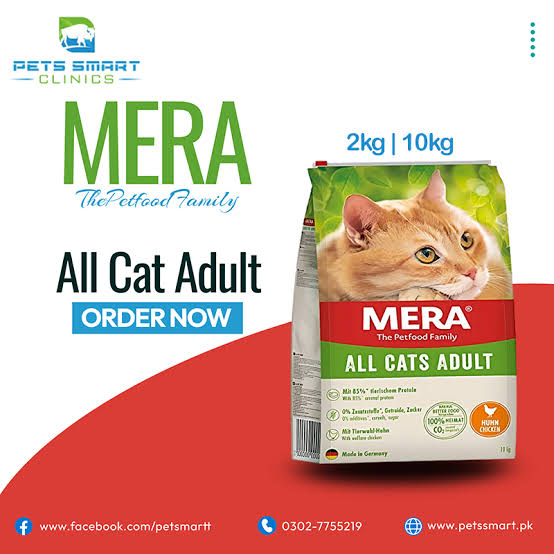
Grain free has been a pet-aisle selling point for so long that most people never stopped to ask what it means. It sounds clean and healthy, and plenty of owners simply paid extra without thinking twice. Then in June 2026, Tufts University’s Petfoodology team, led by veterinary nutritionist Lisa Freeman, put out an update on diet-associated dilated cardiomyopathy (DCM). It shifts the blame away from grain-free labels and toward recipes packed with peas and lentils. If you’re shopping for grain free cat food, the useful question is what took grain’s place in the bag.
The Heart Scare That Pointed at the Wrong Thing
Back in 2018 the US FDA warned about a possible link between grain-free diets and a non-genetic form of DCM, mostly in dogs. Cats were barely mentioned. Tufts now says cats can develop the disease but appear less sensitive than dogs. Over 30 studies have come out since, so we know a lot more than we did then.
Here’s the part that surprised many people. The pattern follows pulses (peas, lentils, chickpeas, beans), and grain-inclusive foods can be loaded with those too. Tufts says the disease doesn’t seem to come from missing grain, and nutrient shortages don’t look like the main driver either. The actual mechanism is still unknown. Freeman’s group is looking at phospholipidosis, a fat-handling problem seen in affected dogs. The FDA, for its part, has only ever called this a potential association.
Cats carry some extra history. They can’t make enough taurine themselves, and years ago a lack of it caused real heart disease in cats. Manufacturers started adding it to food and the problem faded. Some feline sites, Cats.com included, say nobody can yet be sure how far the dog findings apply to cats. Until that’s settled, a complete and balanced recipe is your safest bet.
Grain Allergies in Cats Are Rarer Than the Bag Suggests
The big promise on grain free packaging is allergy relief. The numbers tell a different story. A review in BMC Veterinary Research looked at published feline cases and found beef behind 18% of them, fish behind 17% and chicken behind 5%. Wheat, corn and dairy each sat near 4%. Cats can react to grain. They react to meat far more often.
Chewy’s vet-reviewed guide says most cats don’t need grain free food, and that vets usually recommend it only after a diagnosis. A vet on Nashville’s WKRN called grain allergies in pets pretty rare. The signs to watch for are itchy skin, ear infections that keep returning, and sometimes vomiting or diarrhea. Fleas and environmental triggers should be ruled out first, since they’re the usual suspects.
Finding the real culprit takes patience. The standard method is an elimination diet of about 8 to 12 weeks, run with your vet. It also explains why people get frustrated. Buy a grain free chicken formula for a cat that reacts to chicken and nothing improves, because the trigger never left.
“Grain Free” and “Low Carb” Are Not the Same Thing
This catches a lot of people. Kibble needs starch to hold its shape. Pull out the grain and manufacturers swap in potato, tapioca or peas. A review on carbohydrates in dog and cat nutrition says grain-free diets can contain as much starch as grain-based ones, sometimes more. The same paper notes that cats have no nutritional requirement for carbs, although they can digest cooked starch.
Real-world checking backs it up. One reviewer who compared eight grain-free formulas for two rescue cats found a bag with close to 28% carbs from pea starch and potato. The grain-inclusive food it replaced had 26%. That’s a single tester, not a study, but it fits the pattern. And since peas sit at the center of the DCM conversation, a grain-free kibble can end up carrying both concerns at once.
Wet food mostly escapes the issue. Pâtés and shredded recipes don’t need a binder, so plenty of them run low in carbs whatever the front label says. If a meatier diet is what you’re after, canned food gets you there faster than hopping between kibble brands.
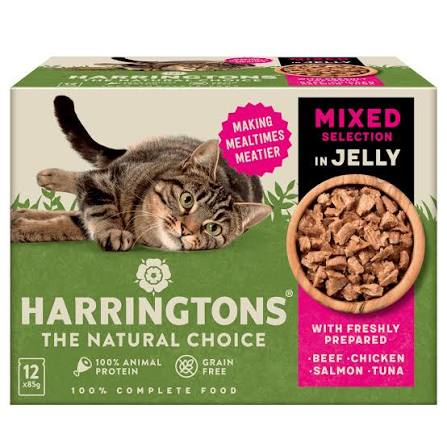
Flip the Bag Over: What Actually Matters
The front of the pack is marketing. The back is where the useful stuff lives, so check these before you buy:
- A statement that the food is complete and balanced under AAFCO or FEDIAF standards for your cat’s life stage
- A named animal protein as the first ingredient, with taurine included
- Peas, lentils or chickpeas showing up more than once in the ingredient list
- A word with your vet first, especially if your cat has allergies, kidney problems, heart disease or a weight issue
What Cat Owners Keep Asking
Does my cat need grain free food?
Probably not. It’s worth considering when a vet has diagnosed a grain allergy or sensitivity. A healthy cat does fine on any complete recipe built around animal protein.
Is grain free food bad for the heart?
Not as a whole category. Tufts ties diet-associated DCM to pulse-heavy diets, with or without grain, and says cats seem less sensitive than dogs. If your cat already has heart trouble, ask the vet about the exact food.
Can it help with weight loss?
No clear evidence says so. A veterinary evidence appraisal found that studies haven’t directly compared grain and grain-free maintenance diets for obesity risk. Portions and calories do far more work than the grain label.
What’s the safest way to switch?
Slowly. Blend a little of the new food into the old one and raise the share over a week to ten days. If your cat is on a prescription or elimination diet, don’t change anything without asking your vet.
So, Is It Worth Switching?
Grain free cat food won’t hurt most cats, and it won’t transform their health either. A cat with a confirmed grain allergy can do well on it. Most allergic cats are reacting to a meat protein, though, and for them the label changes little. What counts is whether the food is complete, how many carbs and pulses it carries, and whether your cat does well on it. Read the back of the bag and ask your vet when it’s a close call.