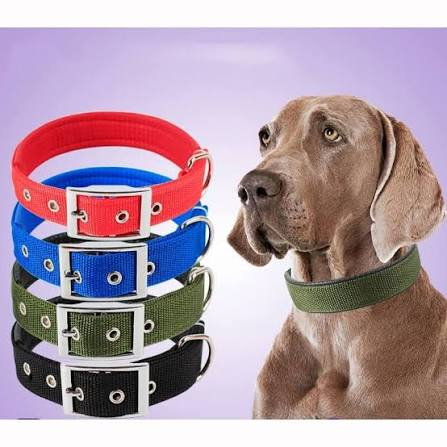
So you’ve got a new dog, and now you’re staring at a wall of collars wondering which dog pet collar is actually worth buying. Fair enough. The shelves are packed with everything from basic nylon straps to GPS collars that ping your phone, and honestly most people just grab whatever looks nice. Smart collars from Fi, Halo and Tractive are the talk of this October, but the boring stuff still decides everything: does it fit, is it safe, does your dog actually get along with it? Let’s sort that out.
Collar or harness? Vets mostly say both
Ask a vet and you’ll usually hear “harness for walks.” Makes sense, since a harness keeps the pull off your dog’s neck. But I wouldn’t ditch the collar. A dog pet collar is where the ID tag lives, and if your dog gets out one day, that little tag is how a stranger calls you. So lots of vets suggest the split: collar for ID, harness for the leash.
Here’s something people forget. If a collar is even a bit loose, a dog can back out of it and be gone in seconds. Harnesses are harder to wriggle out of. If your dog pulls like a freight train, or sits between two sizes, go harness. But a calm walker who stays by your side? A decent dog pet collar does the job fine.
I keep it simple. Collar for the house and quick trips, harness for long walks and training. On a long line, always harness. A hard yank on the neck is just not worth it.
Which type of collar suits which dog
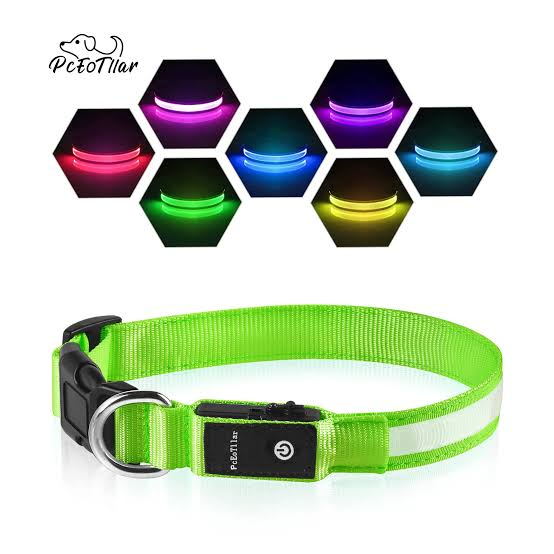
The flat buckle collar is the everyday one, and tags hang off it easily. Got a dog who swims or rolls in mud? Waterproof is much easier to clean. Short coats do well with padding because there’s less rubbing. And if you walk after dark, a reflective or LED dog pet collar lets drivers see you early.
Martingale collars are for the escape artists, the dogs who slide out of normal ones. Greyhounds and Whippets, with those slim heads, are the usual example, and trainers often point them to a martingale or a properly fitted harness. A breakaway collar is another option. It pops open under heavy force, so your dog won’t choke if it snags on a branch or a fence.
Nylon is light and cheap. Leather lasts but needs some care. And go wider for bigger dogs, that’s the general rule. When you shop for a dog pet collar, think about how your dog actually lives, not just the color.
Fit check: two fingers, done
Most “bad collar” stories are really bad fit stories. Too big and the dog slips out or gets tangled, too small and you get sore skin. The test takes five seconds. Slide two fingers under the collar. If they don’t go in, it’s tight. If there’s loads of room, it’s loose.
Three mistakes I see over and over. Buying a huge collar for a puppy to “grow into.” Hanging heavy tags on it. And never checking it again for months. Puppies change fast, so look at the fit every few days. Even with a brand new dog pet collar, measure the neck first, don’t eyeball it.
Also, if your dog’s home alone with no one watching, think about whether a regular collar should stay on. A breakaway or very light one is safer for that.
Smart collars in 2026: is the monthly fee worth it?
Smart collars do three things really: GPS tracking, health and activity data, and virtual fences. If your dog bolts, a GPS tracker beats walking the streets calling their name. Reviewers say the Fi Series 3 can run up to ten weeks on one charge, but you pay around eight dollars a month for the GPS service.
Tractive Dog 6 gets praise for live location and health alerts. The Halo Collar 5 is mainly about virtual fencing, and its battery lasts only about 48 hours. Some trainers don’t like Halo’s static correction, which is why there’s an audio-only mode. Hate subscriptions? An Apple AirTag is the cheap way out.
The big thing: none of this replaces recall training. It’s a safety net, nothing more. A smart dog pet collar makes sense if your dog likes to run or you live out in the country. For everyone else, a sturdy flat collar and a tag usually does it.
Quick answers: 3 questions about a dog pet collar
Can my dog wear a collar all day?
A collar with ID is handy, but be careful when your dog is alone, sleeping or in a crate. Breakaway or light ones are better there. If you spot redness or hair loss on the neck, take it off and look at the skin.
What’s the best collar for a puppy?
Something light and adjustable, usually nylon, that won’t rub. Reflective is a nice extra. Start the ID tag habit early, and use a harness for walks until leash manners get better.
Are martingale collars safe?
Yes, if fitted right. It only tightens when the dog tries to back out, and it should hang loose on a normal walk. If it feels snug during a regular walk, change the size or the type.
At the end of the day, the best dog pet collar is the one that fits your dog’s neck properly, carries your contact details, and suits how your dog lives. Collar for ID, harness for walks, smart collar only if you really need one. That’s the sensible approach for 2026, in my book.