A bed of puppies sounds like the sweetest sight in the world, yet the beds underneath them deserve a harder look this season. On October 5, 2026, the ASPCA announced research published in the Journal of the American Veterinary Medical Association that links hydrogel cooling products, including some dog beds, to severe poisoning cases in dogs. If you are setting up a bed of puppies at home, whether for a new litter, a foster group or a single growing pup, the choices you make in the next few weeks matter more than most buying guides admit. Here is what the research says, what experienced owners check, and how to buy well.
Why a Bed of Puppies Suddenly Makes Headlines in November 2026
The ASPCA study looked at 45 dogs with suspected acrylamide poisoning after exposure to consumer hydrogel products such as migraine caps, eye masks, wraps and cooling dog beds. Signs included vomiting, muscle tremors, unsteadiness, sensitivity to sound or touch, a racing heart, seizures and, in some cases, death. ASPCA Poison Control says it hears about suspected cases every week, across a wide range of brands.
Lab analysis found acrylamide in some cooling gels at 12,900 to 51,800 parts per million, roughly 21 to 86 times the upper end of expected levels. Packaging that calls a product nontoxic or medical grade did not guarantee low residue. There is no antidote, so treatment focuses on controlling signs and giving supportive care.
This matters for any bed of puppies because young dogs explore with their mouths. Teething pups chew bedding as a rule, and breeders note that most puppies will attack a bed at some point whatever toys you offer. A gel layer within reach of a chewer is the worst possible combination.
The timing adds weight. A black Lab named Kenai went viral in early November for refusing to abandon his tiny first bed, a charming reminder that pups bond with their bedding quickly. The 2026 lesson is that a puppy bed deserves the same scrutiny as food and toys.
The Four Details Experienced Breeders Check Before They Buy
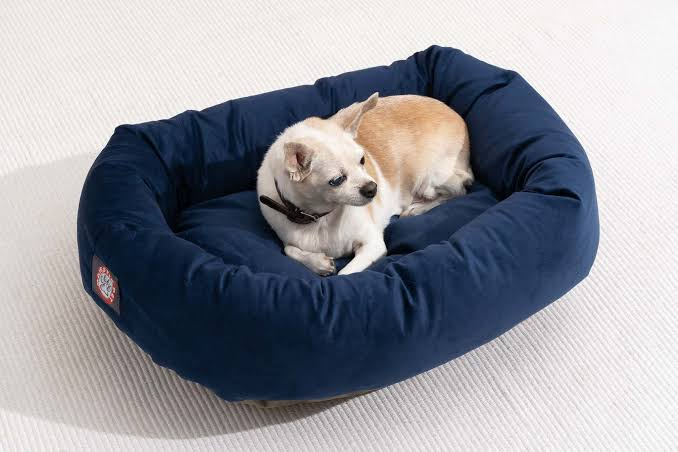
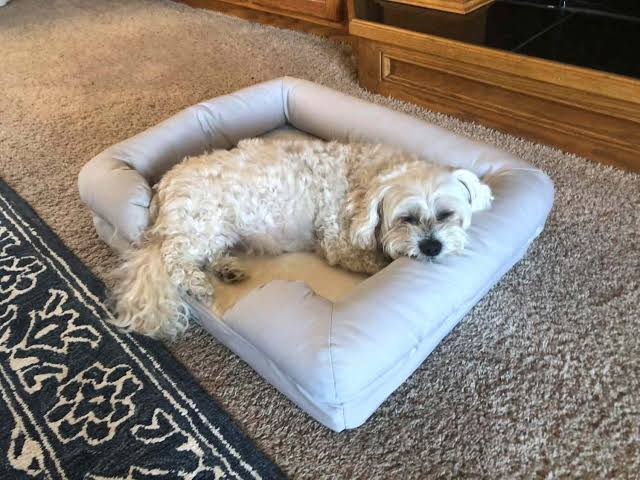
Start with the filling. Choose solid foam, polyfill or washable fleece over any gel layer, and skip cooling pads for young dogs until the chewing phase passes. A firm raised cot with a vinyl or mesh surface is a sturdy option for heavy chewers, and several 2026 buyer guides favor elevated frames for growing dogs.
Next, think about size and growth. Puppies sleep up to 20 hours a day, so a bed that fits snugly now and still works three months from now saves money. A good rule is a bed large enough to lie flat in yet small enough to feel like a den. For a bed of puppies sharing one space, such as a litter of four, a single large mat with bolstered edges often works better than several tiny cushions.
Then plan for accidents. A removable cover, hidden zippers and a waterproof liner make cleaning easy during house training. Inspect the stitching every week, and if a seam splits and stuffing shows, replace the bed promptly because swallowed filling is a real hazard.
Warmth is the last temptation. A bed of puppies kept in a cool utility room may seem to call for a heated pad, but choose low voltage models with chew resistant cords. Treat hooded cave styles as suitable only for pups big enough to push the hood aside on their own.
Budget Smart First, Upgrade After the Teething Storm
Resist the urge to spend heavily on the first bed. Labrador breeders point out that puppies are rarely kind to bedding and plenty of them swallow what they tear off. Many keepers use inexpensive vet bed on a roll, which is familiar from the whelping box and easy to wash, then upgrade once teething settles.
Place the bed in a fixed, quiet spot near family activity. A consistent location helps house training because you notice waking up more easily, and an overtired puppy turns cranky and mouthy, so a dependable resting place protects your evenings too. Keep two covers in rotation so one is always clean and dry.
A bed of puppies is only as safe as the product beneath it, so if you already own a cooling bed, check the brand and fill type and watch how your pup uses it. Keep items never meant for pets, such as migraine caps and eye masks, out of reach. If you suspect ingestion, call your veterinarian or ASPCA Poison Control at 888 426 4435 right away.
Quick Answers Owners Are Searching Right Now
Is a bed of puppies safe on a cooling gel pad
Not until the maker can show low acrylamide residue. The ASPCA documented severe poisoning after dogs chewed hydrogel products, so a plain foam or fleece surface is the safer pick for any young dog.
How big should a puppy bed be
Big enough for your puppy to lie flat and also curl up. A slightly larger bed gives room to grow, but an oversized one can feel exposed to a small pup.
How many hours do puppies sleep
Up to 20 hours a day, according to trainers and bed buying guides. Even a bed of puppies napping in a pile will be in use for most of the day, so quality matters.
What should I do if my puppy chews the bed
Remove the damaged bed at once. In a bed of puppies shared by several chewers, check each pup for swallowed filling and call a vet if you see vomiting, tremors or unsteadiness. Offer plenty of chew toys and supervise the chewing phase.
The Takeaway Before Winter Nap Season
A bed of puppies should be a place of safe, deep sleep, and the October ASPCA findings give owners a clear checklist. Choose solid fillings, avoid hydrogel for young dogs, size for growth and replace anything that starts to fall apart. A little attention to the bed now means your puppies rest better, grow better and stay out of the emergency clinic.