The dog lick mat has moved from a vet clinic helper to a fixture in ordinary homes, helped along by short videos that made it one of the most talked about pet products of 2026. Owners are buying it for thunderstorm nights, bath time and long afternoons alone, and veterinary sources are now weighing in on what it does and does not do. A good mat costs little, but the details matter, from the material it is made of to what you spread on it. Here is what current expert advice says, where the evidence is thin, and how to use one safely.
What a mat really does for your dog
A dog lick mat is a flat mat, usually made of silicone or natural rubber, covered in ridges, dots and grooves. You spread something soft across the surface and your dog works the food out with its tongue, which turns a quick snack into several minutes of slow, focused effort. Vetstreet describes the better products as food-grade rubber made without BPA, phthalates or PVC, and that detail is worth remembering when you start comparing prices.
The appeal is practical. Licking is repetitive and absorbing, so the mat gives a dog something to do with its mouth and brain when the rest of the house is busy, noisy or boring. Dr Sirois, quoted in a January 2026 update from Rover, recommends using mats during stressful events such as vet visits, storms, bath time, grooming and the arrival of visitors.
Shape matters too. Flat mats suit spreadable food, while bowl-style versions are popular for dogs that inhale their dinner, because the textured walls force a slower pace.
Is the calming claim backed by science or just marketing
Many brands claim that licking releases endorphins and lowers cortisol, and some sellers cite a 2023 study showing that food-based enrichment improved calm emotional states in dogs kept in isolation. That finding is encouraging, but it concerns food enrichment in general rather than one product.
Andrew Spanner, a vet in Adelaide with close to thirty years of practice, is more cautious. He writes that there is so far no evidence of anxiety reduction or hormone release from mats, and that a busy dog may simply show fewer anxious behaviours, which is not the same as being less anxious. He also raises concerns about intestinal obstruction and hygiene.
A fair reading is that a dog lick mat is a useful distraction and a handy tool for cooperative care, not a treatment. Dogs with moderate to severe separation anxiety need a behaviour plan from a vet or certified behaviourist, with the mat as one small part of it.
Four moments when a mat earns its place
Bath time and nail trims
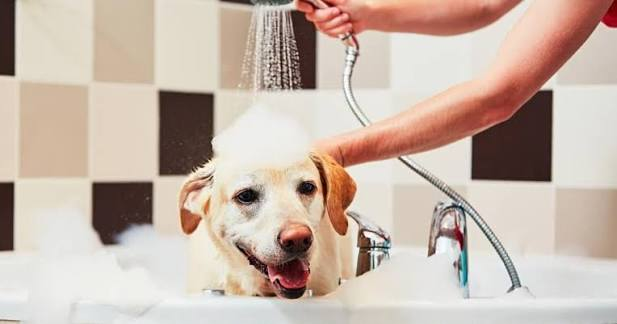
Suction cups let you fix the mat to a bathtub, sink or tiled wall, as the AKC points out, and spreading a favourite treat across it can make trimming fur or cleaning ears easier. Mount a dog lick mat at nose height so your dog can lick without leaning away from you.
The vet waiting room
Some guides suggest handing over a loaded mat ten to fifteen minutes before an exam, so your dog arrives busy and settled instead of wound up. This works best for food-motivated dogs, a point even sceptical vets accept.
Thunder, fireworks and visitors
Spread the food and freeze the mat. A frozen dog lick mat can hold a dog’s attention for thirty minutes or more, according to one 2026 buyer’s guide, which gives the noise outside less room to bother your dog.
Fast eaters at dinner
Bowl-style mats slow dogs that gulp their meals, and the extra minutes of licking add mental exercise to an otherwise quick feed.
How to pick a mat that lasts past the first week
Material comes first. Cheap mats that smell strongly of plastic or feel flimsy may crack or trap bacteria, so when you shop for a dog lick mat, start with the material and ignore the cute shapes. Food-grade rubber or BPA-free silicone that is dishwasher safe is the sensible baseline.
Size and texture come next. A mat should be clearly bigger than your dog’s mouth so it cannot be swallowed, and deeper grooves last longer but can frustrate beginners. The Mighty Paw pad offers four patterns, which helps you learn what your dog prefers, while heavy-duty rubber options suit dogs that tend to chew. Suction cups help on slippery surfaces, though strong dogs can still dislodge them.
What to spread on it and how much counts as too much
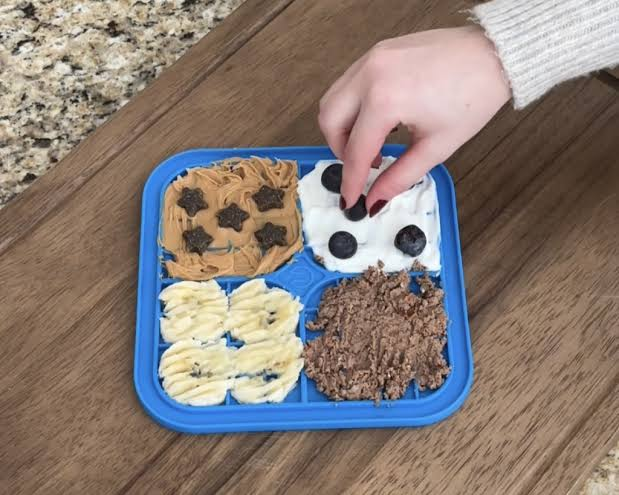
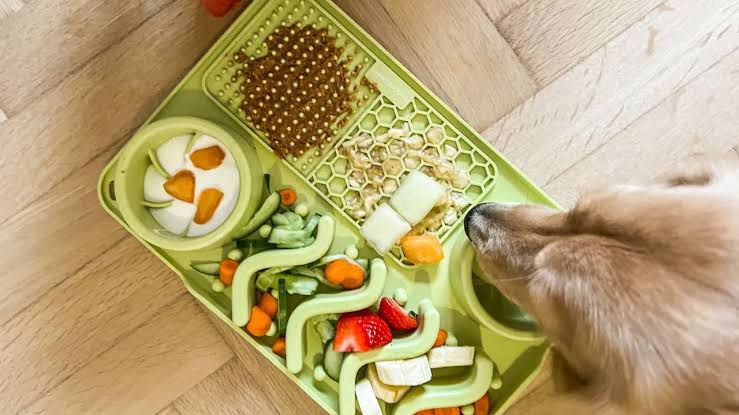
Anything spreadable and safe for dogs works. Popular choices include plain yogurt, pumpkin puree, wet dog food, bone broth and natural peanut butter. Read the peanut butter label carefully, because xylitol is toxic to dogs, and skip baby food that contains onion or garlic. Rotating fillings keeps the mat interesting.
Vet advice quoted by Rover favours lower-fat, lower-calorie spreads. About one tenth of daily calories is a common guideline in buyer’s guides, so count whatever goes on the dog lick mat toward the daily food total and trim regular meals slightly if you use it every day.
Cleaning and safety rules every owner should follow
The AKC advises washing the mat after every use, even when it looks clean, with warm soapy water to prevent mold and bacterial growth. Dishwasher safe mats make this easy, and letting the mat dry fully before the next use stops dampness building up.
A lick mat is not a chew toy. Supervise every session, take the mat away once the food is gone, and watch for puppies, food guarders and determined chewers that try to bite off pieces. Replace any dog lick mat that shows cracks, torn edges or missing chunks, since swallowed fragments are exactly the intestinal risk vets worry about.
Dog lick mat questions owners keep asking
How long should a session last
Many guides suggest fifteen to twenty minutes for a standard mat, while a frozen one may last longer. Stop earlier if your dog starts chewing the surface.
Can puppies use one
Yes, with close supervision, since young dogs are more likely to chew. Choose a firm, food-grade mat sized for a small mouth and ask your vet if your puppy has any dietary limits.
Can cats share the same mat
Many mats are sold for both dogs and cats, but each pet should have its own and the mat should be washed between uses, especially when the animals eat different diets.
Is a mat enough for separation anxiety
No. A dog lick mat can soften the moment you leave, but lasting progress needs gradual training and, for serious cases, professional help.
The short version before you buy
A mat is not magic, and the loudest claims about hormones are still unproven. Used well, though, it is a cheap, washable way to make baths, vet trips and storm nights easier. Pick food-grade material, fill it with low-fat spreads, wash it every time and supervise every lick. Do that and the mat does what the better veterinary sources say it can, which is keep a dog busy, calm enough and cooperative.