
Frontline flea treatment has been the go-to choice for nearly three decades. But 2026 has put that reputation under real pressure. Pet owners are reporting live fleas days after applying the product. New lab research on flea resistance has added fuel to the fire. Vet bodies in the UK and US updated their guidance this year because of it. At the same time, Frontline’s maker, Boehringer Ingelheim, launched a chewable version of frontline flea treatment. It’s aimed at pets that won’t tolerate a topical spot-on. So does frontline flea treatment still deserve a spot in your pet’s routine? Here’s what’s actually changed, and what hasn’t. This piece breaks it down section by section, so you can decide for yourself.
The Fipronil Resistance Debate Isn’t as Settled as Social Media Suggests
Frontline flea treatment relies on fipronil as its active ingredient. Fipronil has been the subject of growing resistance research. It’s worth separating the science from the panic. Lab work has isolated resistant flea colonies over the years. One study on a strain nicknamed “Phoenix” found it survived nine times longer than a normal strain exposed to the same dose. That’s a real finding, and it deserves attention. It doesn’t mean every flea has caught up, though.
A 2025 molecular study told a more nuanced story. Researchers tested cat fleas from Istanbul for resistance markers. They checked fipronil, imidacloprid, flumethrin, and propoxur. The fleas showed no fipronil resistance markers at all. Resistance mutations did show up for flumethrin, a compound used in tick collars. That’s not the ingredient in frontline flea treatment. Resistance, then, is compound-specific. It’s also geographically patchy. It isn’t a blanket failure everywhere in the world. Most vets who’ve reviewed the evidence agree on this point. There’s no proof of widespread field resistance to frontline flea treatment. The “it stopped working” complaints usually trace to something else entirely.
Why Your Dog Still Has Fleas Even After Correct Use
Here’s the uncomfortable truth nobody likes to hear. About 95% of a flea population lives off the pet. Carpets, bedding, and yards hold most of them. Frontline flea treatment can’t fix that problem alone. Treating one dog while a second cat stays untreated guarantees ongoing fleas. So does an active household reservoir. Neither situation means the product actually failed.
Application errors make the problem worse. Frontline flea treatment needs to reach the skin, not the fur. Apply it directly between the shoulder blades. That spot keeps a pet from licking it off. Bathing too soon after application washes the product away. Even a quick swim can undo a fresh dose. Missing the 28-day window gives fleas room to rebuild. A week’s delay can undo a month of progress. None of this points to resistance at all. It’s really just a gap between the label and daily habits.
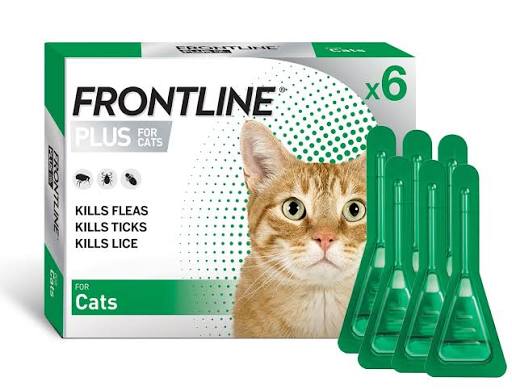
A New Chewable Option Changes the Calculus
Boehringer Ingelheim’s new chewable frontline flea treatment solves an old problem. Many pets simply resist topical liquid application. Other pets in the house lick it off during grooming. Households with small kids worry about touching treated fur. A chewable removes all three of these issues at once. Company vets say ease of use often decides consistency. Owners who find a product easy tend to stick with it. That factor matters more than small ingredient differences.
This also puts frontline flea treatment in direct competition with popular oral chews. NexGard and Simparica Trio bundle flea, tick, and heartworm coverage. Bravecto stretches its protection out to twelve weeks per dose. Frontline’s own lineup still covers a wide range of needs. Frontline, Frontline Plus, Frontline Gold, and Frontline Shield each differ slightly. Coverage varies by parasite type across the four formulas. Matching the right variant to your pet matters most. Picking whatever’s cheapest on the shelf isn’t the smartest move.
What Actually Determines Success
Geography plays a bigger role than most comparisons admit. Resistance patterns tend to cluster by region. A formula that works well in one country may face different pressure elsewhere. That’s exactly why blanket claims fall apart under scrutiny. A vet who knows local resistance data beats a forum thread every time. Local knowledge simply outperforms generic advice online.
Consistency matters just as much as the product itself. Apply frontline flea treatment monthly, all year round. Don’t skip winter treatments — fleas just move indoors instead. Treat every pet in the house on the same schedule. Skipping even one animal creates a hidden reservoir. That reservoir can mimic resistance without actually being resistance.
Common Questions About Frontline Flea Treatment
Is Frontline still effective in 2026? For most pets and regions, yes, it is. The evidence doesn’t support widespread resistance claims. Some isolated lab strains and field pockets may differ. Most failures trace to application mistakes or an untreated home.
Why do I still see fleas after using it? Because most fleas actually live off the pet. Carpets, bedding, and yards hold the bulk of any infestation. Treating only the animal, or missing a dose, leaves that reservoir completely untouched.
Is the new chewable as effective as the topical version? It’s built to deliver similar protection through an oral route. That’s instead of the usual skin application method. It suits pets and households where topical use is hard. Ask your vet if it covers your pet’s specific risks.
Should I switch products if I suspect resistance? Talk to your vet before making any switch. Rule out application errors and untreated pets first. A documented pattern of failure is worth a second opinion. A parasitologist can confirm whether resistance is really the cause.
The Bottom Line
Frontline flea treatment hasn’t quietly stopped working across the board. But 2026 proved flea control depends on more than the product. It depends on region, habits, and month-to-month consistency. The resistance conversation is real and worth watching closely. The new chewable option solves a genuine compliance problem for many. Most failures still trace back to application and environment. The formula itself is rarely the actual root cause. The best results come from pairing the right frontline flea treatment with strict monthly use. Add a vet who understands your local flea pressure, and the odds improve significantly.