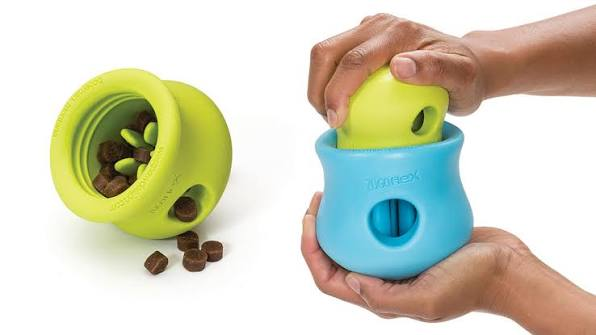
Walk into any pet store this month and the dog toys and puzzles aisle looks different than it did a few years ago. Less squeaky plush, more plastic bricks with sliding lids. The numbers back up what you’re seeing: the American Pet Products Association says 30% of dog owners bought a food-dispensing toy in 2024, and Grand View Research puts the interactive pet toy market at roughly $3.7 billion. APPA’s 2026 Dog Report adds the why. Owners keep worrying about boredom, behavior problems and stress, especially now that so many dogs spend more hours at home. With holiday shopping about to start, it’s worth asking whether these toys deliver, and which ones deserve your money.
Do Puzzle Toys Really Tire Out a Dog? The Evidence Is Messier Than the Ads
Start with where the evidence is strongest, which is kennels and shelters. Lab dogs given food toys barked less, moved around more and spent more time eating. Other research found that dogs would rather work for their food than get it handed over. PetSuites also cites a veterinary journal study in which shelter dogs got enrichment twice a day and rested quietly 65% more after just three days.
Pet dogs are harder to read. One twelve-day study of companion dogs saw no significant change in activity, appetite or cognitive bias once they got toys, and puzzle toys didn’t beat a plain bone or ball. It was small and short, sure. Still, it’s a fair check on any box promising a transformed dog. If yours already gets walks, training and plenty of company, there may be less to gain.
Vets lean positive. Dr. Carly Fox says daily puzzle use can help with problem-solving, memory and patience. Companion Animal Psychology, meanwhile, points out that research on food puzzles in pet dogs is still thin. So I’d call puzzles a cheap way to break up a dog’s day. They don’t replace a walk, and they don’t replace you.
Beginner Brick or Brainteaser? Matching the Puzzle to Your Dog
Level matters more than brand. Outward Hound’s Nina Ottosson range grades its puzzles: the Dog Smart is Level 1, the Dog Brick is Level 2. Reviewers love that range. Dogster picked the Tornado as its best overall food puzzle, and Hepper chose the Brick as best overall for smart dogs.
Go easy at first. A beginner puzzle should be obvious and pay off fast, because a frustrated dog just wanders off. One tester’s dog needed about ten minutes to figure out a treat dispenser, another ten to empty it, then went straight to sleep. That’s about what you want. Solved in seconds? Go up a level. Walked away in seconds? Go back down.
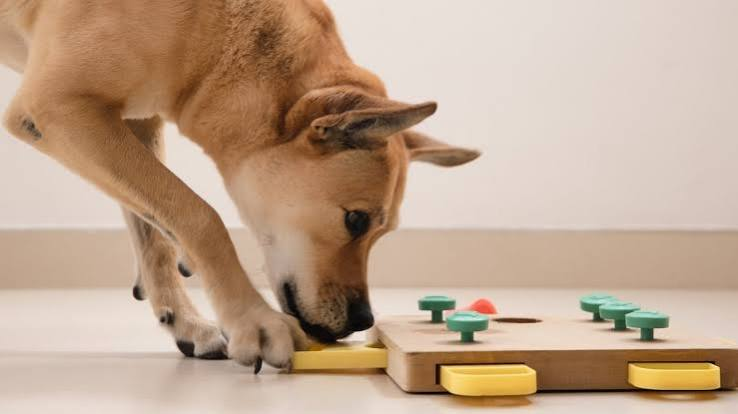
Think about how your dog already behaves, too. A nose-first dog will probably enjoy a foraging toy or a snuffle mat, where treats hide in fabric loops. If yours shoves a tennis ball around the yard for hours, try a rolling puzzle. And if the real problem is a dog that inhales dinner, a puzzle feeder slows things down.
Three Checks Most Buying Guides Skip Before You Hit Add to Cart
Durability comes first. Amazon tracking of puzzle feeders lists durability among the top review complaints, and demand peaks in December, so expect plenty of knockoffs soon. Hard plastic gets shredded by strong chewers, and one reviewer admits the Brick won’t survive rough dogs. If yours is a destroyer, supervise every session.
Then batteries, which people forget. Petmate recalled about 15,400 Pet Zone laser pointer and LED ball toys because the plastic ball can crack and expose button cell batteries. The CPSC says a swallowed button battery can burn tissue from the inside and even kill. That recall goes back to 2025, but the lesson still holds: be wary of cheap light-up toys with batteries your dog can reach.
And calories. A puzzle stuffed with treats is extra food, so take it out of dinner. Throw away anything cracked or shedding bits, and pick a size your dog can’t swallow.
Four Quick Questions Dog Owners Keep Asking
Are puzzle toys actually good for dogs?
For kenneled and shelter dogs, the evidence is fairly strong. For pet dogs it’s thinner, though vets rarely see a downside when the toy is the right size and you’re watching.
How long should a dog spend on a puzzle?
Going by the tester’s dog above, around twenty minutes for a beginner puzzle. Puzzle feeders usually stretch a meal into five to fifteen minutes. If your dog starts looking frustrated, take it away.
Can puzzle toys help with anxiety?
They can help. A study of kenneled dogs found both toys and human interaction cut stress behaviors. For real separation anxiety, though, see your vet or a behaviorist. A toy won’t carry that alone.
What is the best puzzle for a first-timer?
Pick a Level 1 design. The Trixie Windmill is aimed at dogs new to puzzles, puppies and adults alike, and the Nina Ottosson Dog Smart is another easy starter.
The Bottom Line
Dog toys and puzzles won’t fix a bored dog on their own, but they do help. They give a dog something to think about, they slow down meals, and they’re cheap. Start easy, match the toy to how your dog plays, avoid exposed batteries and check for wear. And if your dog ignores the fancy one, don’t force it. A ten-dollar puzzle they actually enjoy beats a pricey one gathering dust.