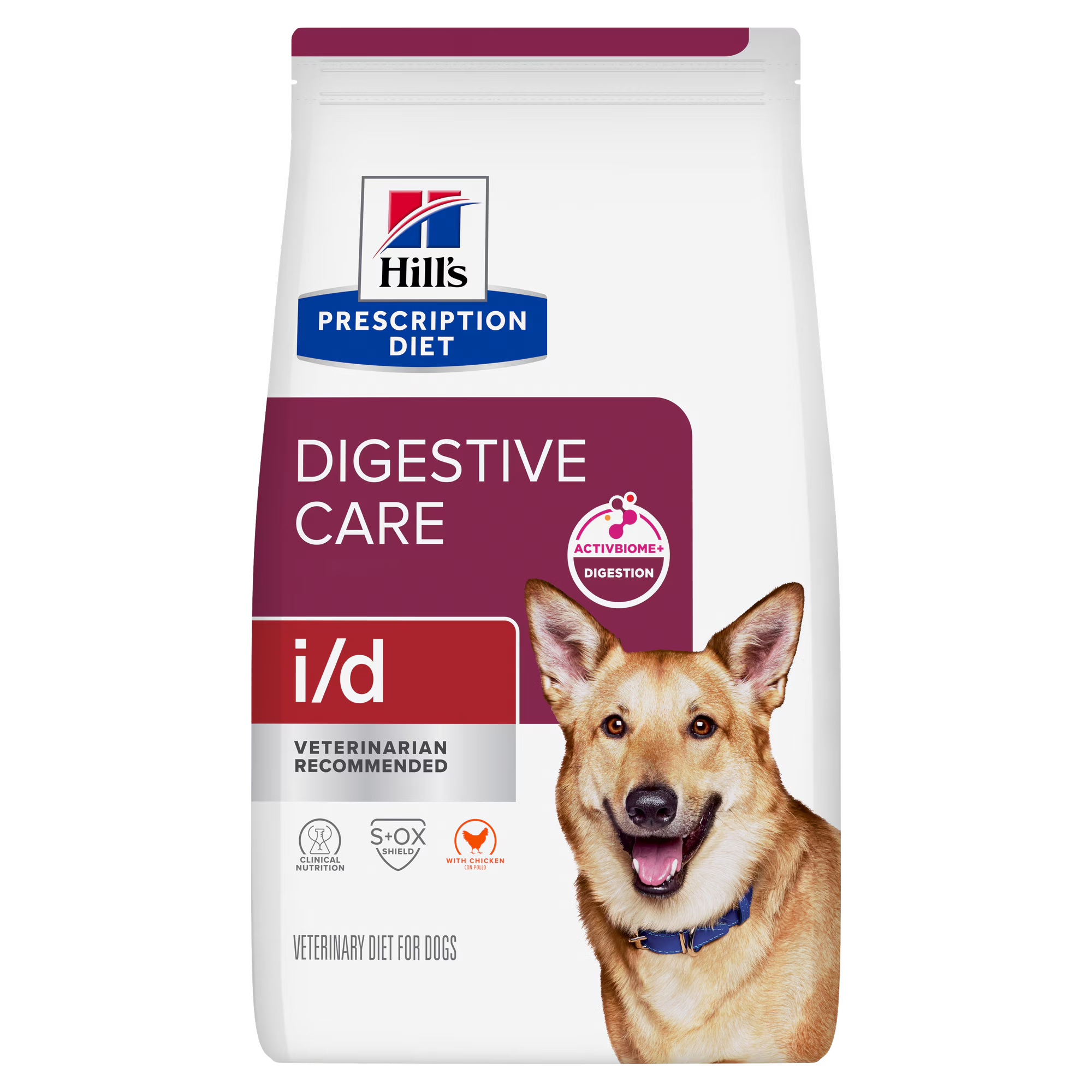
Owners of hills zd dog food have been grumbling this autumn, and the complaint is oddly specific: the dry bag now lists ground pecan shells, and a bunch of reviewers on Hill’s own site say new batches smell sour. When a food is meant to be the only thing your dog eats for months, a recipe change isn’t trivia. Hill’s has had a busy year otherwise, launching a kidney-plus-skin diet in June and its first refrigerated dog rolls on June 30. But if your dog is scratching, licking its paws or dealing with runny stools, you need something simpler: what’s in this food, what it costs, how long before you can judge it, and when to push back.
Pecan shells and a sour smell: what owners are saying
Read the current dry ingredient list and you get corn starch first, then hydrolyzed chicken liver, hydrolyzed chicken, ground pecan shells, powdered cellulose and flaxseed. Pecan shells and cellulose are fiber sources, and a few reviewers say they’re new. Hill’s own page gives the dry food 3.7 stars from 236 reviews. The canned version sits at 2.1.
The complaints are fairly consistent. One longtime buyer said the latest bag smelled rank. Hill’s answered that a sour odor can mean the food spoiled from heat or moisture during shipping or storage, and told the customer to throw it out. Another reviewer said her vet had already mentioned a new formula. Hill’s reply was that it tells retailers and clinics about changes but can’t always reach every pet owner.
So open the bag and sniff it. A fresh bag of hills zd dog food shouldn’t smell sour. Keep it somewhere cool and dry, buy from a seller who moves stock quickly, and ask your vet’s office whether your batch is the new recipe. If it smells off, return it.
How chicken ends up in an allergy diet
It looks strange at first: chicken liver on the label of a food for dogs with allergies. The point is hydrolysis. The proteins are chopped into fragments so small that the immune system doesn’t recognize them, and the recipe contains no intact animal protein. Allergic reactions are set off by protein shapes the body knows, so broken-up pieces mostly slip past.
Don’t mistake it for a wellness food, though. One veterinary nutrition explainer calls hydrolyzed protein a diagnostic and therapeutic tool, not a particularly healthy everyday food. Its job is to answer one question: is food behind this itching?
What the label actually says
On a dry-matter basis the dry recipe has 20.1% protein and 14.5% fat, and it delivers 3,505 kcal per kilogram, about 348 kcal a cup. Puppies, pregnant dogs and nursing dogs shouldn’t eat it. Hill’s says you may see better skin and coat in 30 days and firmer stool in 3. Treat those as the company’s claims and check them against your own dog.
Why eight weeks is the number that matters
Most people give up too soon. One veterinary review says that when owners stick to an elimination trial, over 90% of dogs with food-related skin reactions respond by week 8. Another source points out that stomach signs often ease within two to three weeks, while skin can take anywhere from four to twelve. Judge hills zd dog food after ten days and you’ve learned almost nothing.
Strictness counts as much as time. A single flavored chew, a lick of the plate, a pill wrapped in cheese: any of these can wreck the trial. Hill’s own guidance says to feed only the recommended Prescription Diet foods, switch over across at least seven days, and keep a vet in the loop.
Then comes the part people skip: the challenge. After the trial you feed the old food again to confirm food was the problem. I understand why owners balk when the dog has finally stopped scratching. But without it you can’t tell whether the diet worked or the pollen season simply ended.
What a bag really costs
At one big US retailer, hills zd dog food is $60.99 for 8 lb, $110.99 for 17.6 lb and $140.99 for 25 lb. At the biggest size that’s about $5.60 a pound. The label suggests roughly 165 grams a day for a 20 lb dog and 225 grams for a 30 lb dog, so a 25 lb bag should last somewhere between 50 and 70 days. That works out to about $2 to $2.80 a day.
Prices shift by country and seller, so use these as a US benchmark only. Compare the cost per pound, and if you buy from a third-party seller, check the expiry date and make sure the bag is genuine.
When a different food might fit better
Hills zd dog food isn’t the only hydrolyzed option. Royal Canin makes one built on hydrolyzed soy with chicken fat, and Blue Natural Veterinary Diet HF is another. Some clinicians prefer a protein that’s both novel and hydrolyzed, chosen from the dog’s diet history, so a dog that has eaten plenty of chicken may do better elsewhere. Hill’s also sells small-bite and canned versions, plus a low-fat soy recipe for dogs with fat sensitivity. And if your dog flatly refuses the new recipe, that alone is reason to ask your vet about switching.
Four questions vets hear all the time
Do I need a prescription for hills zd dog food? Retailers sell it as a prescription item, so expect to need your vet’s authorization. That’s no bad thing, since other conditions can look a lot like food allergy.
How soon will I see a difference? Loose stools may settle within a few weeks. Skin usually needs the full 8 to 12 before you can call it.
Can puppies eat hills zd dog food? No. Hill’s says it isn’t recommended for growing puppies or for pregnant and nursing dogs.
Can I add treats or toppings? Not during a trial. One flavored treat can restart the symptoms and reset the clock.
The bottom line
Hills zd dog food is a genuine diagnostic tool, but only if you commit to a strict, vet-guided trial of at least eight weeks. The reported formula change isn’t a reason to panic. It’s a reason to check the bag, ask questions and keep notes. If the smell is wrong or your dog won’t touch it, return it and talk to your vet about alternatives.