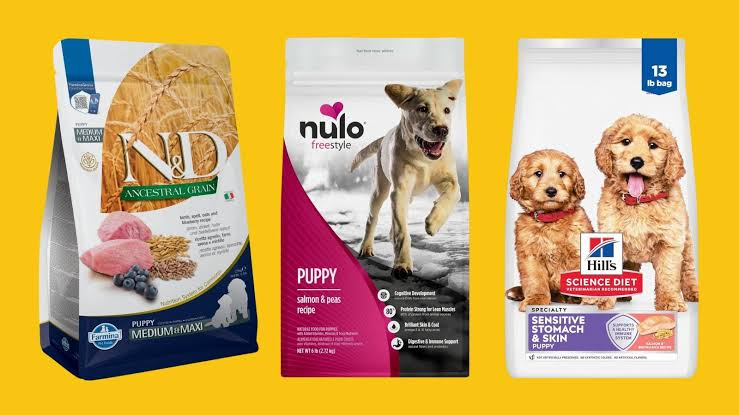
Buying puppy dry food sounds simple. It isn’t. I think the pet aisle is built to confuse you: twenty bags, twenty promises, and labels full of words nobody explains. Then the news doesn’t help either. Not long ago Young Again Pet Food recalled a puppy formula in the US over possible Salmonella. We’re talking 4,375 pounds, in 10 and 25 pound bags. Puppies are much more vulnerable to that than grown dogs, so a little homework before you buy is worth it.
The Label Nobody Reads
Flip the bag. Right there on the back or side is a short paragraph called the nutritional adequacy statement, and it’s the one thing I’d never skip. You’re looking for a line that says the food meets AAFCO nutrient profiles for growth, or for all life stages. AAFCO is the American group behind most pet food standards, by the way.
Adult maintenance? Not for puppies. “Supplemental feeding only”? That food isn’t complete and balanced, so it can’t be the main meal. Whether it passed a feeding trial or was simply formulated to the numbers doesn’t matter much, both are considered safe.
Large Breeds Are a Different Story
Say your puppy will weigh 70 pounds or more as an adult, around 32 kilos. AAFCO calls that a large breed, and large breeds grow quickly, which can mean hip and elbow trouble later. This is why puppy dry food made for big dogs actually matters.
Calcium is the whole point. Growth foods need at least 1.2 percent on a dry matter basis. For large breed growth the maximum is 1.8 percent, whereas other growth foods can have up to 2.5. AAFCO tightened that in 2018. So a normal puppy food could hold more calcium than your Labrador pup should be eating.
On the bag, find the phrase “including growth of large size dogs.” If it says “except for,” leave it on the shelf. Mixed breed that might pass 50 or 60 pounds? I’d still go with “including.” Large breeds stay on growth food until around 18 months, giant breeds until about 24, and please don’t add calcium supplements yourself.
Small breeds are easier. Any growth recipe works, but the kibble should be tiny and the food calorie dense, because little dogs burn through energy fast.
Bigger Numbers Aren’t Always Better
One popular premium puppy formula lists 38 percent protein, 20 percent fat and 528 kcal per cup. Purina Pro Plan’s large breed beef recipe has 480 kcal per cup. See the gap? Large breed foods usually run lower in fat and calories on purpose, to keep growth from racing ahead. Small breeds need the opposite. So I’d compare calories to your puppy’s size and not just chase protein.
Ingredients matter too. If a named meat like chicken, turkey or fish leads the list, that’s a good sign. DHA helps the brain and eyes develop, so look for it. Probiotics are a bonus.
Overfeeding, the Quiet Problem
Even the best puppy dry food turns into a problem if you pour too much. Vets keep repeating this for large breeds, since extra weight stresses young joints. Keep your puppy lean enough that you can feel the ribs but not see them.
The chart on the bag is a rough guess. Weigh your pup every couple of weeks and adjust. Three or four small meals a day usually suits young puppies. With a large breed, follow a growth chart, and with a giant breed ask your vet for one.
Recall Habits Worth Having
The Young Again bags carried a best by date of October 28, 2026, so check any old stock at home for the date and lot number. Salmonella can mean diarrhea, no appetite, tiredness, fever, stomach pain and weight loss. Trouble is, lots of infected dogs seem fine and can still spread it.
Open a new bag of puppy dry food, and snap a quick photo of the date and lot code. That’s it, five seconds. Keep the food in its original bag inside an airtight container, wash bowls daily, and wash your hands after feeding. If you suspect your dog ate recalled food, stop feeding it and call your vet.
Common Questions
When can puppies start eating puppy dry food?
Around four weeks, while weaning. Soak the kibble in warm water until soft. Ask your vet to confirm the timing.
Is adult dog food okay for puppies?
No. It lacks what a growing dog needs and can cause deficiencies. Use a growth or all life stages formula that fits their adult size.
Can I mix wet and dry?
Yes, if both meet AAFCO growth standards and you cut portions so total calories stay reasonable.
How long do puppies need puppy food?
Large breeds about 18 months, giant breeds up to 24. Smaller dogs usually switch sooner, so check with your vet.
Last Word
Choose a food with a clear AAFCO growth statement that fits your dog’s adult size, and ingredients you can actually understand. Measure the portions. Save the lot code. Watch the waistline. Done.