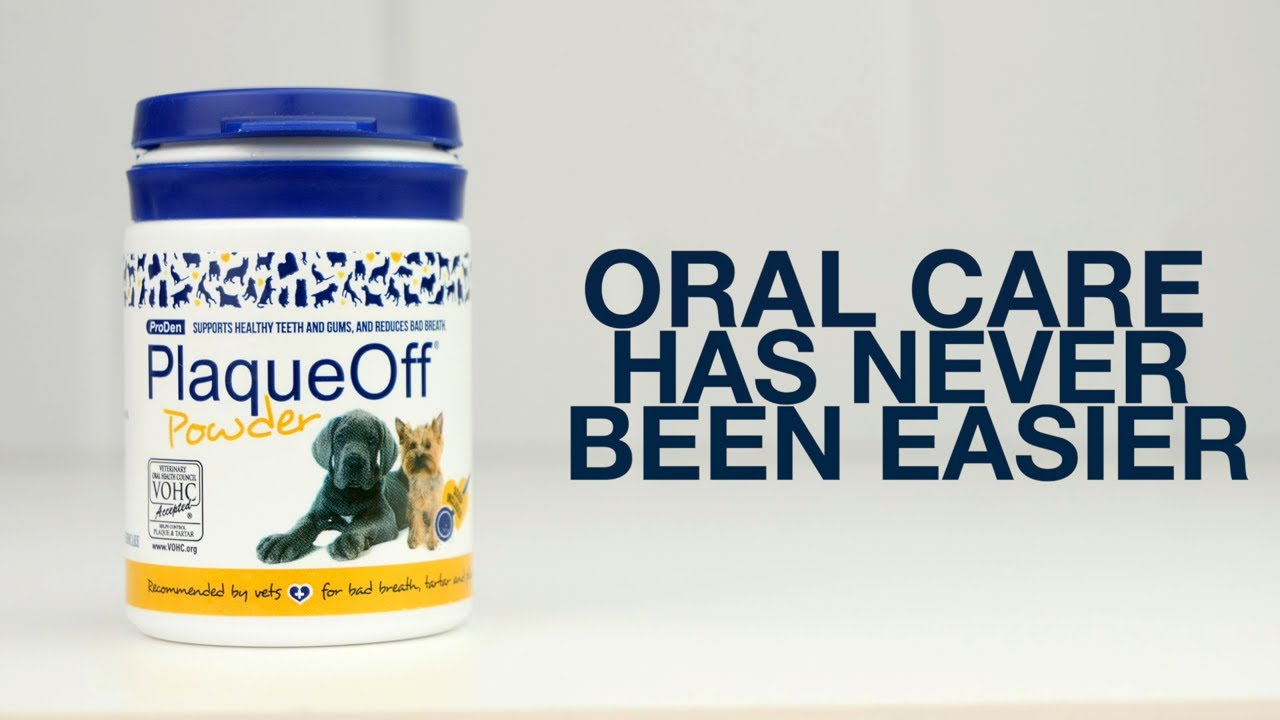
Honestly, Plaque Off is one of those products that keeps popping up whenever pet owners start complaining about doggy breath. And I get why. Anyone who has tried to brush a squirmy dog’s teeth knows it can turn into a wrestling match, and a dental cleaning at the vet, with anesthesia and a big bill, isn’t something most people want to sign up for every year. So a seaweed powder you just sprinkle on dinner sounds like a dream. The maker has also updated its pages recently with new things like dental finger wipes and crunchy bites for cats, which made me want to dig in and see what’s backed by evidence and what’s just good marketing.
So What Is Plaque Off Anyway?
The full name is ProDen PlaqueOff, and it comes from a Swedish company called Swedencare. Plaque Off was actually the very first product the company ever made. A Swedish dentist named Sune Wikner came up with it back in the 1970s, and the company says it has sold over 1.5 billion doses in more than 50 countries. That’s a lot of sprinkled dinners. The key ingredient is a kelp called Ascophyllum nodosum, pulled from the cold North Atlantic.
Quick heads up, because this confuses people. There’s another product in Europe called Prozym Plaque Off, and it’s a totally different thing. That one is enzyme based, not seaweed. Everything below is about the seaweed version, since that’s the one with real trial data behind it.
Wait, How Does a Powder Clean Teeth?
It doesn’t scrub anything, and that’s the part people miss. According to the company, the seaweed works through your pet’s saliva. It makes it harder for plaque to stick to the teeth and softens tartar that’s already there so it can flake off. Think of it as changing the conditions inside the mouth rather than cleaning it by hand.
That’s also why you won’t see a miracle by Friday. Most sellers say results show up somewhere between three and eight weeks, and they only last while you keep giving it daily. Stop the powder and the benefit slowly fades.
What the Trials Actually Showed
Here’s the data everyone quotes. In the company’s dog trials, 30 days of daily use cut the plaque score by about 32 percent, tartar by 35 percent and gum bleeding by 67 percent compared with a placebo. A second study came back with 31, 42 and 74 percent. Both were statistically significant, and that’s what earned the powder the VOHC Seal of Acceptance, which only goes to products that meet set standards for controlling plaque or tartar.
I’d still take those numbers with a small pinch of salt. They come from the manufacturer’s own studies, and a 32 percent drop in a plaque score doesn’t mean your dog’s teeth will look 32 percent cleaner in the mirror. It’s a real, measured improvement, but it isn’t a promise of sparkling teeth.
How Much Should You Use?
It’s one dose a day, mixed into wet or dry food. For dogs under 10 kg, the guide says half to one scoop. For 10 to 25 kg it’s one to two scoops, and above 25 kg it’s two scoops. Cats have their own version, and it includes brewer’s yeast so it tastes better to them, which anyone with a picky cat will appreciate.
A tip that seems to work for lots of owners is to start small. Give a little for the first few days so your pet gets used to the taste, then build up to the full amount. If you’ve been consistent for two months and still see nothing, the company says you can raise the dose a bit.
As for cost, the dog powder is about 25 dollars on the maker’s site, and a small cat tub is around 16 dollars at PetSmart. Not cheap, but a lot cheaper than a dental under anesthesia.

Who Should Think Twice?
Seaweed is naturally full of iodine, so if your pet has any thyroid trouble, talk to your vet before you try Plaque Off. It also isn’t recommended for pregnant or nursing animals, simply because nobody has studied it there, and it’s best to wait until adult teeth have come in. A few owners say the powder gave their pet a faint seaweed smell for a while. If your dog or cat suddenly gets fussy about food, try a smaller scoop.
What Real Owners Say
This is where it gets interesting, because the reviews really are a mixed bag. Amazon shows roughly 4.1 stars from well over 17,000 reviews. Some people swear tartar started falling off within a few weeks and that their vet noticed the difference. Others used up several tubs and saw nothing at all. A few saw things improve in the first month and then slide back around month three.
Dogs that already have tough teeth, greyhounds being a common example, seem to get the least out of it. My honest read is that Plaque Off works best when the mouth only has light or moderate buildup. If your dog has thick, hard tartar or red, swollen gums, a powder won’t do the job of a professional cleaning, and waiting too long can make things worse.
Can People Use It Too?
Swedencare does sell capsules and tablets for humans that use the same seaweed, usually two capsules a day. But that’s a separate product with its own directions. Don’t give the pet powder to a person, and don’t give the human capsules to a pet.
Quick Answers
Can Plaque Off replace brushing?
No. Even the stores that sell it call it a complement to brushing. If you can manage a quick brush a few times a week, pair the two and you’ll get the best results.
How long until it works?
Usually somewhere between three and eight weeks of daily use.
Is it safe?
For healthy adult dogs and cats it’s generally considered fine. Ask your vet first if there’s a thyroid issue, or if the animal is pregnant or nursing.
Is there a version for cats?
Yes. It’s a separate powder made just for cats.
So, Is It Worth It?
Plaque Off isn’t a magic fix, but for homes where brushing turns into a battle, it’s a sensible, low effort step with real trial data and VOHC acceptance behind it. The mixed reviews tell you results will vary from pet to pet, and that’s fine. Check in with your vet first, give it every day, be patient for a couple of months, and keep brushing whenever you can. That combination gives most pets a pretty good shot at fresher breath and cleaner teeth.