A dog buggy used to be a punchline, the sort of accessory people rolled their eyes at on city sidewalks. In 2026 it has become a mobility tool that veterinarians openly recommend for tiny, aging and recovering dogs, and the market has responded with a flood of new models. Consumer Reports, NBC Select and Kinship have all published fresh expert rankings this year, and their advice agrees on more points than you might expect. Weight limits now run from 16 pounds to well past 100, and the gap between a smart purchase and a returned one often comes down to a few inches of cabin length. Here is what actually matters.
Why Vets Now Say Yes to the Dog Buggy
The shift began in veterinary clinics. Consumer Reports notes that a stroller can help dogs that are tiny, older or recovering from an injury, and vets are among the people saying so. A senior dog with arthritis may love the smell of a morning walk but cannot manage the full distance home. A buggy lets that dog enjoy the outing without pushing past its limits.
Owners describe the same story again and again. A back leg gives out halfway down the driveway, the dog is carried for weeks, and then someone suggests rolling instead. The routine returns, the dog stays mentally stimulated, and the owner stops lifting a heavy animal in and out of the car.
There are practical uses beyond mobility too. Hot pavement, crowded events, long waiting rooms and busy trails are all easier when a nervous or small dog has a safe, enclosed place to sit. Short-nosed breeds such as Frenchies, Bulldogs and Pugs, which overheat quickly, come up often in buying guides for exactly this reason.
Three Measurements That Decide Everything
Weight capacity comes first, and it is the spec buyers most often get wrong. Current picks run from about 16 pounds for compact travel models up to 66 pounds and beyond for larger designs, with some heavy-duty carts rated far higher. Choose a model rated comfortably above your dog’s actual weight rather than right at the limit, because a frame under constant strain wobbles and wears out faster.
Cabin length matters next. The most common reason people return a dog buggy is that the dog cannot lie down flat. Measure from nose to the base of the tail while your dog sleeps in its natural position, then compare that figure with the interior length listed by the maker. A buggy that forces a dog to lift a leg higher than 12 inches to climb in may be refused outright, or may risk reinjury.
Entry style is the third measurement, so to speak. No-zip designs, where the canopy pushes up and a front barrier drops, win praise because there is no zipper to fail and no fiddly fastening for a worried dog. Many experts also want an internal safety tether that clips to a harness rather than a collar, along with a brake for slopes.
Wheels, Frames and Safety Features Worth Paying For
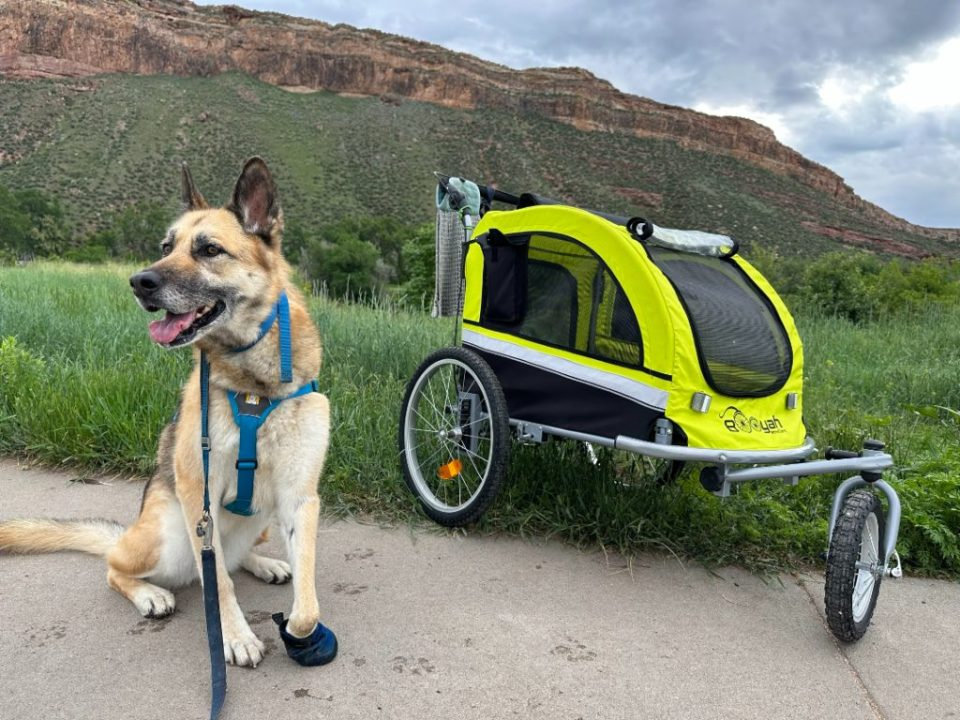
Wheels deserve more attention than color. Air-filled rubber tires give the smoothest ride and the best shock absorption, though they need occasional inflating. EVA foam is a sensible middle ground that never goes flat, while solid plastic is cheap but passes every pavement crack straight to your dog. Joggers add spring suspension for rougher ground, which suits active walkers who rarely stay on smooth paths.
Safety features separate a well-designed dog buggy from a pushcart with a cover. Look for locking zippers or magnetic closures, all-round mesh for ventilation, reflective trim, rear brakes and a stable frame with a wide base. NBC Select’s expert panel put the Pet Gear No-Zip NV at the top of its overall list and recommended Ibiyaya for smaller dogs, though that model tops out at 16 pounds.
One warning appears in several guides. Do not borrow a baby stroller. iHeartDogs and other publishers point out that baby strollers are not designed for a dog’s weight or for the way a dog moves, and a purpose-built pet model costs far less than an injury.
A Gentle Plan for Getting Your Dog to Accept the Ride
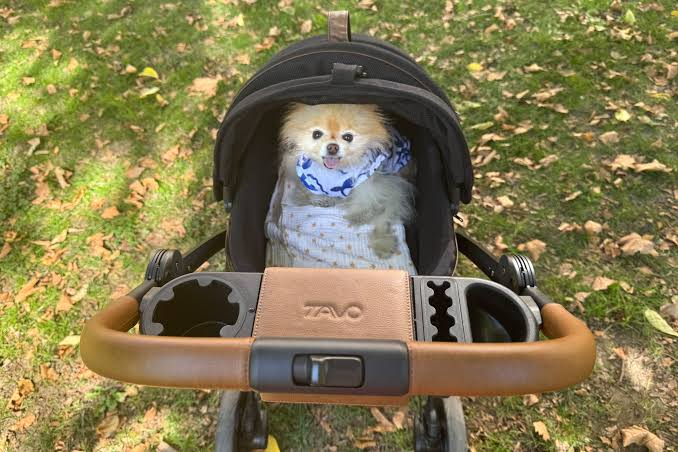
Even the best dog buggy fails if the dog panics inside it. Park it in the living room with the canopy open and let your dog sniff it freely. Drop treats on the floor of the cabin, then on the pad, and praise every paw that steps in. Keep each session to a few minutes and stop while the dog is still relaxed.
Once your dog hops in willingly, clip the safety tether to the harness and roll the buggy a few steps across the room. Gradually extend the distance, then move to the driveway or a quiet pavement. Face the dog toward you at first, since seeing the owner often keeps nervous dogs calm.
Take the first real outing at a quiet hour, bring water, and watch for panting, restlessness or attempts to climb out. A removable washable liner makes a muddy paw or a carsick moment far less stressful. If your dog still resists after a couple of weeks, talk to your vet or a trainer before forcing the matter.
Quick Answers Dog Owners Keep Searching For
Is a Dog Buggy Suitable for Large Dogs
Yes, but only if you pick a heavy-duty model. Several expert lists include carts rated for 100 pounds or more, and a few go much higher. Check the frame material, the wheel size and the cabin length before the price, since a large dog needs room to lie down and a base wide enough to stay stable.
Can a Baby Stroller Replace a Pet Model
No. Baby strollers lack the tethers, ventilation and locking enclosures that dogs need, and they are not built for animal movement. A proper pet stroller is the safer choice.
When Should a Dog Start Using One
Think about it once a walk becomes longer than your dog can comfortably finish, whether from age, injury or size. Ask your vet first, especially if the dog is recovering from surgery or has a joint condition.
What Is the Difference Between a Stroller and a Jogger
A standard model rides on four small wheels and suits sidewalks, errands and travel. A jogging dog buggy usually has three larger wheels and spring suspension, which smooths out rough ground but takes up more space in the car.
The Takeaway Before You Buy
The decision comes down to fit, not fashion. Measure your dog, choose a frame rated well above its weight, insist on safety tethers and a stable ride, and introduce it slowly. Get those details right and a good dog buggy gives an older, smaller or recovering companion years of walks they would otherwise miss.