Catnip toys are one of the cheapest pet purchases you can make, and this autumn’s research gives owners a clearer idea of what they actually deliver. A study published in the Journal of Applied Animal Welfare Science this year found that catnip had no measurable effect on the vital signs or behavior of cats during a veterinary exam. A separate shelter study, reported just weeks ago, linked catnip and valerian scents to lower stress scores in housed cats. Together, they show that catnip toys are a good play tool but no cure for anxiety, and that the right one for your cat depends on genetics, age and how you use it.
Why Do Cats Go Wild for the ‘Nip?
The reaction starts with nepetalactone, a compound released when the oil glands in catnip leaves are bruised or chewed. Cornell’s Feline Health Center notes that cats must inhale it for it to work, and swallowing does nothing useful. From the nose, the signal reaches brain regions tied to mood and behavior, which explains the rolling, rubbing, drooling and sudden sprints.
The chemistry also explains why some plants fail. Catnip leaves carry up to roughly 0.8 percent nepetalactone at full bloom, while ornamental catmint carries only a fraction of that. Oregano has none, so it never triggers the response. Researchers have also found that the compound evolved to repel insects, with strength comparable to DEET in lab tests, so the feline thrill appears to be a side effect.
Genetics decide the rest. Estimates vary between sources, from about half of cats to roughly two in three, and the response is inherited rather than learned. Kittens under six months usually ignore it, and sensitivity tends to peak in adulthood before fading in old age. If your cat shrugs at a catnip mouse, the toy is probably not defective.
Which Types of Catnip Toys Are Worth Buying?
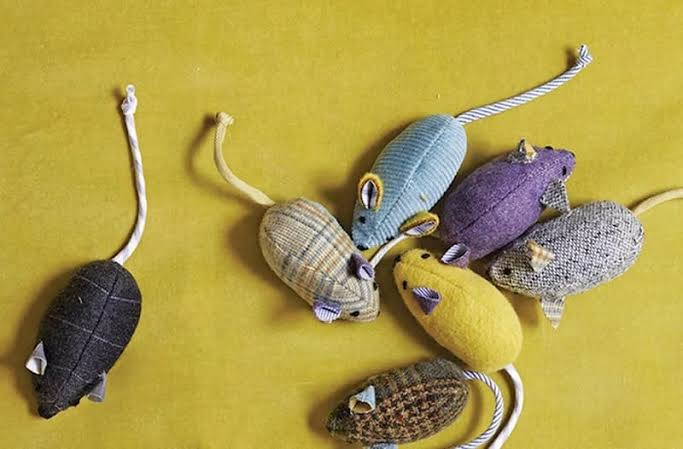
Most catnip toys are simply stuffed with dried leaf, and that is where the value sits. Plush mice, fish and kicker toys suit cats that grab, bite and bunny-kick, and basic versions cost less than £5 in UK stores. Larger kicker shapes give a cat something to wrestle with, while small balls and mice suit solo chasers.
Refillable toys deserve more attention than they get. Catnip loses potency as its oils evaporate, so a toy that opens and takes a pinch of fresh leaf can stay interesting for months instead of weeks. A cheap felt toy with a zip or pocket often beats a glossy sealed one for that reason. Loose dried catnip also works sprinkled on a cardboard scratcher or an old toy, which costs almost nothing.
Quality shows in the stuffing and the stitching. Look for toys that name the catnip’s origin, sell it as pure leaf rather than filler, and use tight seams that survive claws and teeth. Organic and North American-grown options are common, although reviewers testing popular brands still found that cats are fussy, with some well-reviewed toys left untouched. Buying a small variety pack to learn your cat’s taste is smarter than committing to one expensive toy.
Does Catnip Really Calm Cats Down?
The answer is “sometimes,” and it depends on the setting. The 2026 hospital study tested eight healthy cats during a clinical examination and found that neither catnip nor a facial pheromone changed their clinical or behavioral readings. The authors framed that as good news for vets, because a calming agent could mask real health changes, but it also shows that catnip is not a reliable sedative.
The shelter research points the other way. Scientists tested catnip essential oil in group-housed cats and valerian in individually housed quarantine cats, and both were associated with lower Cat Stress Scores under routine management conditions. The results suggest that scent enrichment can ease tension over time in a familiar environment, even if it does nothing in a stressful one-off visit.
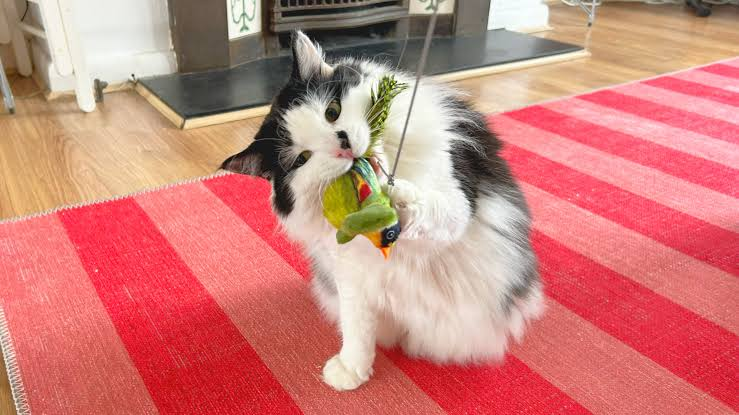
For owners, the practical takeaway is modest. A catnip toy can lift boredom, encourage exercise and give an indoor cat an outlet for hunting instincts. It will not turn a fearful cat calm in the carrier, so keep it as an enrichment tool rather than a medical one.
How Often Should Your Cat Play With Catnip Toys?
Most vets suggest offering catnip no more than once every few days, because constant exposure leads to desensitization. Rotation helps: keep catnip toys in a drawer and bring one out for play sessions, then put it away. The effect usually lasts about ten minutes, and the cat then tunes out for a while.
Eating large amounts can cause vomiting or diarrhea, so stop the toy if your cat starts shredding and swallowing stuffing. That is a stomach upset rather than poisoning, but persistent symptoms deserve a vet visit. Supervise kittens and anyone who tends to chew toys apart.
What If Your Cat Ignores Catnip? Try Silvervine
About a third of cats stay unmoved by catnip, but many of them react to silvervine, a plant related to kiwi that is popular in Japan. One summary reports that around 75 percent of catnip-indifferent cats responded to it, and it is often sold in chew sticks that may help dental health as a bonus. Valerian root is another option with a gentler effect.
Plush toys that blend catnip and silvervine are now common, and they suit households where you are not sure which plant a cat will favor. Vets generally suggest silvervine once or twice a week, and kittens usually need to be around six months old. Cats with suspected plant allergies should be checked by a vet before you try either.
Catnip Toys: Your Questions Answered
Are catnip toys safe for cats?
Yes, for most cats. Catnip is non-toxic, and the main risk is an upset stomach if a cat eats too much. Choose sturdy toys, check them regularly for loose stuffing and replace them once they fray.
At what age do kittens react to catnip?
Most kittens show little response before six months, and some wait until eight months or later. It is safe to offer earlier under supervision, but the toy probably will not excite them yet.
Why does my cat not react to catnip?
The response is inherited, so a sizeable minority of cats simply lack it. Age, freshness of the product and the type of plant also matter, and an old toy may have lost its potency. Silvervine or valerian are worth trying next.
Can I make my own catnip toy?
Yes. A small fabric pouch stitched shut around a pinch of dried catnip works well, and you can refill or replace it whenever the scent fades. Use tight stitching and avoid small buttons or beads a cat could swallow.
The Bottom Line on Catnip Toys
A catnip toy is best seen as a cheap, short-lived burst of play rather than a calming treatment. Pick a refillable, sturdy design, use it every few days and rotate it with other toys to keep the effect strong. If your cat does not respond, silvervine is the sensible next experiment, and a feather wand may serve better still.