Okay, picture this. Bruno, your lab, has been gnawing at his paws since spring. You’ve checked for fleas, the vet has too, and then out of nowhere comes the line you didn’t see coming: let’s try a food trial. So you hop online, and within ten minutes you’re knee deep in anallergenic dog food pages, half sure it’s a miracle and half sure it’s a racket. Truth is, it’s neither. It’s a handy tool that a lot of owners use badly, and then they can’t work out why nothing changed. Stay with me and I’ll go through what’s in the bag, which dogs it suits, and the mistakes that quietly eat your money and your patience.
What You’re Actually Buying
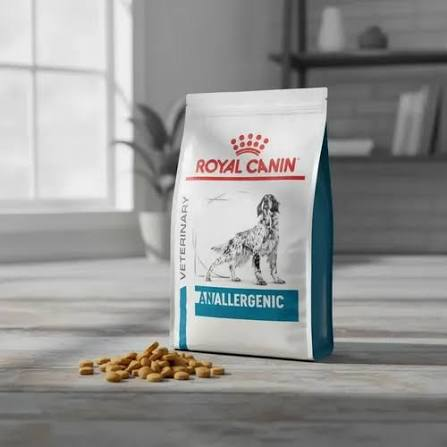
Let’s begin with the label, because it tells you a lot. Anallergenic dog food is a veterinary diet, which means it’s meant to be fed with your vet in the loop, not thrown in the trolley next to the usual kibble. The name you’ll bump into most is Royal Canin’s Anallergenic dry food, which comes in 3 kg and 8 kg bags. The protein comes from feathers. Sounds odd, I know, but it makes sense once you hear it’s hydrolyzed, a fancy way of saying the protein has been chopped into very small peptides and free amino acids.
The thinking behind it is simple enough. Bigger proteins are more likely to set off a reaction, and these tiny pieces are made to lower that risk, even in very sensitive dogs. The company also says its production process is set up to limit contamination, so other allergens don’t sneak in through the back door.
Read the ingredient list on this anallergenic dog food and you’ll be done in about ten seconds. Maize starch, oils, fibres, minerals, plus antioxidants and nutrients that look after the skin barrier. Royal Canin also mentions a purified starch source, which just means there’s even less in there for the immune system to get worked up about. It’s dull by design, and honestly, dull is what you want here.
Is Your Dog One of Them?
The dogs that end up on this diet usually have signs of an adverse food reaction. Think nonstop itching, ears that get infected over and over, chewed up paws, vomiting, or loose stools that just hang around. Some vets use it for atopic dermatitis or inflammatory bowel disease too. Still, I’d resist playing detective at home, since plenty of itchy dogs are reacting to things that have nothing to do with the food bowl.
A bit of vocabulary while we’re here. Adverse food reaction is the big umbrella. Under it you get true food allergies, where the immune system is involved, and food intolerances, where it isn’t. Both can look like itchy skin or a grumpy gut, and sorting out which one you’re dealing with is a major reason trials exist in the first place.
Then there are the dogs who should skip it altogether. Anallergenic dog food isn’t meant for growing puppies, pregnant or nursing dogs, or dogs with pancreatitis. If the one doing the scratching is a young dog, phone your vet before you buy a single bag.
The 8 to 12 Week Wall
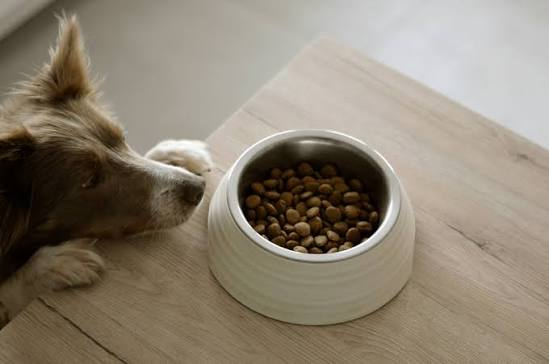
This is what catches most people off guard. A food trial isn’t a two week affair. Several vet sources, including guidance linked to Tufts University, say 8 to 12 weeks at the very least. That whole time, anallergenic dog food is the only thing your dog eats. No treats, no scraps off the table, no flavored chews, and definitely no tablets wrapped in cheese.
Back to Bruno. By week three he’s still scratching, you’re fed up, and that old bag of chicken kibble in the cupboard is practically whispering your name. Don’t give in. Skin heals slowly, and it really does need weeks to settle down. If he gets better, your vet will most likely add old foods back one at a time, and whichever one brings the itch roaring back is your suspect. Some vets even finish with a challenge, feeding that old food on purpose just to confirm it.
You might be thinking a blood test could spare you all this hassle. From what I read, the diet trial is the gold standard and blood tests are more like a sidekick, so I wouldn’t count on a quick test to settle things.
And then there’s taste. Some dogs eye hydrolyzed kibble like it’s homework. The maker says there’s a palatability enhancer in there for fussy eaters, which helps, but dogs have opinions. Be ready to get a little creative.
Hydrolyzed or Novel Protein?
Vets usually pick between two kinds of trial diet. One is hydrolyzed, where the protein is broken down small. The other is a novel protein diet, built on a meat your dog has never eaten before. The nice thing about hydrolyzed food is that the original protein matters less, so a dog allergic to chicken might cope just fine with hydrolyzed chicken.
My take is that anallergenic dog food makes the most sense once you’ve already worked through a few regular foods and the same problems keep coming back. And please, please don’t run a trial without your vet. It turns into guesswork way faster than you’d expect.
One more thing worth saying. Hydrolyzed food isn’t a general health upgrade for every dog. One source calls it a diagnostic and therapeutic tool, and I’d agree. Buying it just because the bag looks scientific isn’t a plan.
Cost, Feeding and Keeping Track
Prices jump around a lot. One New Zealand retailer listed the 3 kg bag at roughly 90 to 100 NZD, and the 8 kg bag worked out cheaper per kilo. Where you live changes everything, so buy anallergenic dog food only from a seller you trust. The chart on the pack goes by weight and body condition, so follow it and split the daily amount into two meals.
Grab a notebook as well. Jot down itching, skin and poop changes every few days. By week ten you won’t remember what week two looked like, and your vet will want the details.
Questions People Keep Asking
Is anallergenic dog food the same as hypoallergenic?
Not always. People throw the two words around like twins, but they aren’t. Look at the label and see whether the protein is hydrolyzed or the recipe just has fewer ingredients.
Can a dog eat it for life?
Royal Canin says anallergenic dog food is complete and balanced and can be fed through a dog’s whole life. Other sources call hydrolyzed diets short term tools. Let your vet make the call on this one.
Are treats allowed during the trial?
Not the regular ones. Even a small flavored chew can muddy the results. If you need rewards, ask your vet what’s safe.
Can I cook for my dog instead?
During a trial that’s tough, because every ingredient has to be tracked. Later on, ask your vet to put together a balanced home cooked plan.
How soon will I notice a change?
Some dogs perk up within a few weeks. Even so, hold out for the full 8 to 12 before you judge.
Worth It? Here’s My Take
If your dog has real, ongoing symptoms and you’re ready to follow the rules, anallergenic dog food can be worth every penny. If the itching is mild or comes and goes, it may be overkill. Either way, see your vet, stick with the plan, and give it time. With any luck, your dog will say thanks by finally leaving those paws alone.