Walk down any pet aisle this year and you’ll see “whisker-friendly” stamped on half the bowls. Picking a bowl with cats in mind should be simple, but the marketing has sprinted ahead of the science. PetMD still calls whisker fatigue new and controversial, with almost no studies behind it. Meanwhile a June 2026 ScienceABC piece suggests a different reason cats walk away from a half-empty dish, and it has to do with eyesight, not whiskers. So before you pay premium prices, let’s sort out what’s actually known.
Whisker Fatigue: Real Problem or Clever Sales Pitch?
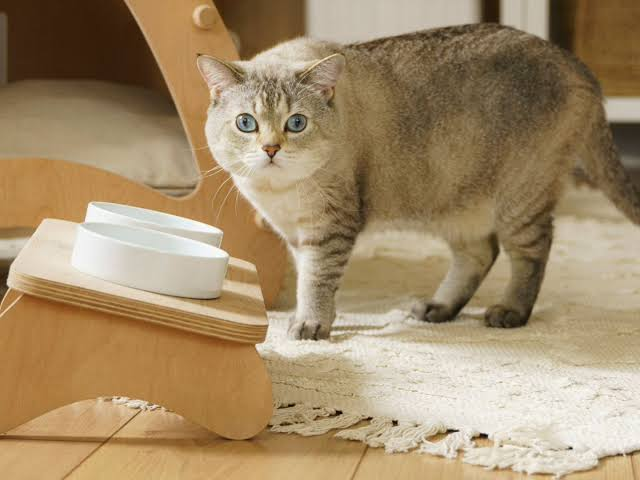
The theory goes like this. If the bowl is narrow and deep, the whiskers keep brushing the rim, and that constant contact supposedly annoys the cat enough to put them off eating. Owners describe the same few signs: food dragged onto the floor, a messier eater than before, a cat that suddenly turns fussy. And the fix sounds almost too easy. Buy a wider dish.
Here’s the catch. Catster’s vet-reviewed guide admits most of the support is anecdotal, and vets, behaviorists and owners don’t agree. Cats.com says the condition isn’t in standard veterinary textbooks at all. None of this is brand new either. Back in 2017, the then-president of the AVMA said there was no evidence that whiskers touching a bowl stresses a cat, and dvm360 pointed out, a bit dryly, that the companies quoted in the press happened to sell the cure.
So is the whole thing nonsense? Not necessarily. ScienceABC makes a neat argument: food sitting a few centimeters from a cat’s eyes is too close for them to focus on. That could explain why cats eat from the middle of a bowl and quit once the base shows through. No “fatigue” needed. Either way, you land on the same cheap advice, which is that a bowl with cats in mind should be wide and shallow. It costs little and might make dinner easier.
Before you blame the bowl
If your cat is leaving food, think about their mouth. Painful dental disease can look exactly like what people call whisker fatigue. So swap the bowl by all means, but if the odd eating continues, call your vet. PetMD says the same. A sudden appetite change is a health warning first.
What the Bowl Is Made Of Matters More Than You’d Think
Shape gets the attention, but when you buy a bowl with cats in mind, material is where hygiene is won or lost. Homes Alive recommends ceramic, stainless steel or glass. They wash up well, don’t hold smells like plastic does, and last longer. Wash daily, ideally after each meal, so bacteria don’t build up.
Plastic is cheap. You’ll find raised plastic dishes online for around $3. But some cats may develop cat acne from plastic bowls, and scratched, smelly plastic is a sign it’s time to throw it out. Silicone is handy for trips or as a backup dish since it’s soft and easy to clean, but I wouldn’t make it the main bowl.
[ADD: one line about which bowl your own cat actually uses]
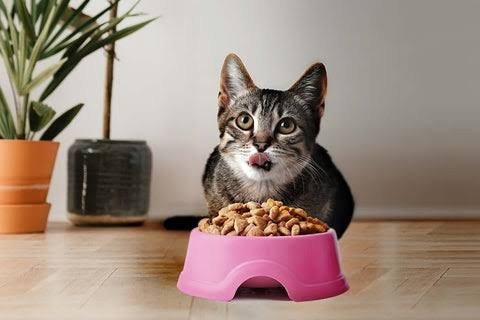
Do raised bowls help?
For some cats, yes. A raised dish can ease strain on the neck and shoulders of older cats or those with joint trouble. A healthy young cat probably doesn’t need the height. What every cat benefits from is a non-slip base, and any good bowl with cats of any age should have one, especially for the ones who push their dish across the kitchen like it owes them money.
One Bowl With Cats Sharing It? Maybe Don’t
Plenty of households have more than one cat, so sharing comes up fast. Some bowls are built for it. The 27 cm Lucky Kitty ceramic dish, for example, has a raised center meant to split the eating areas and cut down on squabbles. That’s the manufacturer talking, mind you. One owner in the reviews says her two cats share it happily and scatter less food than they used to. Nice, but it’s a single story, not proof.
My default would be separate stations. Even in a shared bowl with cats that get along, they eat at different speeds, and the fast one tends to bully the slow one without trying. Water is another thing. Some cats prefer it well away from the food. If you can’t decide, set out two dishes a short distance apart and watch for a week. Your cats will tell you.
Gulpers need a slower plate
Got a cat that inhales dinner? A slow feeder is basically a bowl with cats who gulp in mind. They’re said to curb overeating, which feeds into obesity, and they give the cat something to figure out. Start with short meals or snacks and stretch the time as your cat gets used to it. If your cat has any medical issue, ask your vet first.
Quick Questions, Straight Answers
How big should the bowl with cats be?
Wide beats deep. You want enough room for the whiskers to sit clear of the sides, with enough depth for a normal portion. One review site suggests at least 5 to 6 inches across. That’s a commercial source, so use it as a starting point, not a rule.
Is whisker fatigue a real diagnosis?
No. It isn’t a recognized veterinary condition. Think of a shallow dish as a cheap experiment. If your cat’s eating changes, see a vet.
How often should I wash it?
Every day is the usual advice. Dishwasher-safe depends on the product, so read the instructions first.
Are fancy bowls worth the money?
Usually not. A €2 shallow ceramic dish does the job, and reviewers on one retailer’s page love a basic one for its shallow depth and the fact that it stacks, which matters in a seven-cat home. Spend more only if your cat needs something specific, like a raised dish for an arthritic senior.
So, Which Bowl?
The best bowl with cats in the house is the one they actually finish. Go wide and shallow, pick ceramic, steel or glass, wash it every day, and give each cat its own spot. Treat whisker fatigue as an unproven idea with a cheap fix, not a diagnosis. And if your cat’s appetite changes and stays changed, that’s a vet visit, not a shopping trip.