Walk into almost any dog park on a weekend and you’ll see the exact same story playing out. Someone whips out a plastic launcher, slots in a dirty yellow tennis ball, and sends it flying across the grass. Most of us grew up doing this exact same thing without giving it a second thought. But if you’ve been following recent warnings from veterinary dentists over the last few months, you already know that humble tennis ball is actually doing some serious damage behind the scenes.
The reality is that classic fetch is getting a major overhaul. Pet parents are waking up to the fact that cheap, off-the-shelf toys are often packed with nasty chemical softeners and abrasive fibers. Instead of grabbing whatever is cheapest at the local grocery store, people are actively hunting down a safer, non-toxic dog ball that can actually handle heavy jaw pressure without sending their pet to the emergency clinic.
Finding the right gear isn’t just about picking a bright color your pup can spot in the grass. It comes down to understanding jaw mechanics, tooth enamel wear, and basic material safety so your daily game of fetch stays fun rather than dangerous.
The Unexpected Teeth Hazard Hiding in Your Fetch Bag
Here’s something most people don’t realize about standard tennis balls: they were designed for fuzzy felt tennis courts, not for a carnivore’s mouth. That soft yellow fuzz acts like an absolute magnet for sand, dirt, and grit every single time it hits the ground. When your pup chomps down on a dirty ball, that trapped dirt essentially turns the surface into coarse sandpaper.
Veterinarians call the resulting damage “blunt dental trauma.” Over months of regular play, that abrasive coating steadily grinds away the protective outer enamel of your dog’s teeth. Eventually, it exposes the sensitive pulp underneath, causing severe pain and expensive dental infections.
Beyond the long-term tooth wear, hollow tennis balls are a massive choking hazard for medium and large breeds. A dog with strong jaws can easily pop a hollow ball like a cheap balloon. Once compressed, those split felt pieces get swallowed in a flash, frequently causing life-threatening intestinal blockages. Swapping that cheap felt for a solid, puncture-resistant dog ball made of real rubber completely removes that risk because it flexes safely under pressure without breaking into swallowed pieces.
What Actually Goes Into a Non-Toxic Fetch Toy?
If you pick up a cheap pet toy and can’t find a clear material breakdown anywhere on the tag, put it back down. Dogs spend heavy amounts of time slobbering on their toys, and low-grade plastics like cheap PVC leach chemical softeners straight into their mouth through their saliva.
When you’re shopping around for a safe dog ball, you want to stick with materials that have proven safety records:
- Natural Food-Grade Rubber: Super flexible, handles heavy punctures without shredding, and stays gentle on gums during fast airborne catches.
- Thermoplastic Elastomer (TPE): Lightweight, extremely durable, and naturally floats—making it the ideal pick for water-loving dogs.
- Solid Wool or Compressed Organic Felt: Perfect for indoor fetch when you don’t want heavy rubber bouncing off your drywall or wooden furniture.
- High-Density Polyethylene: Ultra-tough, rigid plastic made specifically for high-energy herding breeds that like to push large objects around the yard.
Sizing and Chew Styles: How to Avoid a Choking Emergency
Getting the sizing right on a dog ball is just as critical as picking the right material. If a toy is even slightly too small, a dog running full speed can easily swallow it mid-air when catching it at a weird angle. On the flip side, if you buy something ridiculously oversized, your dog’s jaw muscles are going to get exhausted and sore after just a few minutes of play.
A good rule of thumb? When your dog holds the toy in their front teeth, it should stick out visibly on both sides of their muzzle so there’s zero chance of it sliding down their throat.
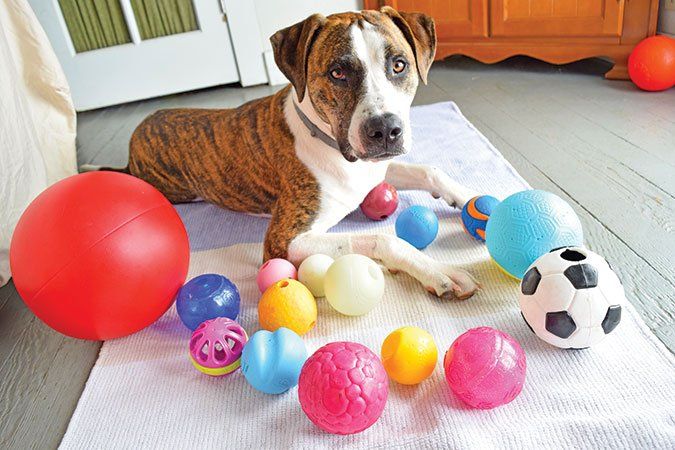
You also need to match the toy to how your dog actually plays. If you have a relentless chewer, look for a heavy, solid rubber dog ball or one molded with built-in air safety holes so suction doesn’t trap their tongue. But if your pup is purely obsessed with the chase and doesn’t sit there grinding their teeth into it, a flexible, high-bouncing dog ball will give them way better exercise without tiring out your arm.
Quick Answers on Fetch Toy Safety

Are all bright rubber toys safe for aggressive chewers?
Not necessarily. Bright colors are just dye—they don’t tell you anything about durability or chemical safety. Always double-check that the product is explicitly labeled BPA-free and made from natural rubber. If your pet destroys toys fast, buy a solid rubber dog ball rated for heavy chewers rather than a hollow plastic one.
Why are vets suddenly speaking out against tennis balls?
Vets dislike tennis balls because the outer felt traps sand and dirt, turning the ball into sandpaper that grinds down tooth enamel. Plus, hollow tennis balls split under jaw pressure, leading to frequent emergency surgeries for intestinal blockages. A purpose-built dog ball avoids both issues entirely.
What size toy should I get for a larger breed like a Lab?
For larger breeds like Labradors, Golden Retrievers, or Shepherds, skip standard 2.5-inch sizes. Choose a larger dog ball that measures at least 3.5 to 4 inches across so it cannot accidentally lodge in the back of their throat.
Is there a non-toxic option that won’t sink in the lake?
Definitely. Toys built from food-grade TPE or hollow natural rubber with sealed air chambers float easily. If your dog loves swimming, look for a high-visibility floating dog ball in bright orange or teal.
Moving away from dirty, abrasive tennis balls to a dedicated, non-toxic dog ball is one of the easiest health upgrades you can make for your pet. Pick the right size, stick to safe natural materials, and you can keep your daily games of fetch safe, clean, and fun for years to come