Shopping for dog beds for dog crates used to be simple. Grab a pad, toss it in, done. These days there are hundreds of options, and plenty of them are wrong for your dog. This month a big shopping guide quoted vets warning about tassels and loose threads on beds: a dog that chews can swallow a thread, and it can end up stuck in the stomach or intestines. So this isn’t only about comfort. It’s about safety. Whether you’ve just brought home a puppy or you’re replacing an old crate setup, here’s what really matters when you pick dog beds for dog crates, and what you can safely ignore.
Why Dog Beds for Dog Crates Aren’t Just Small Regular Beds
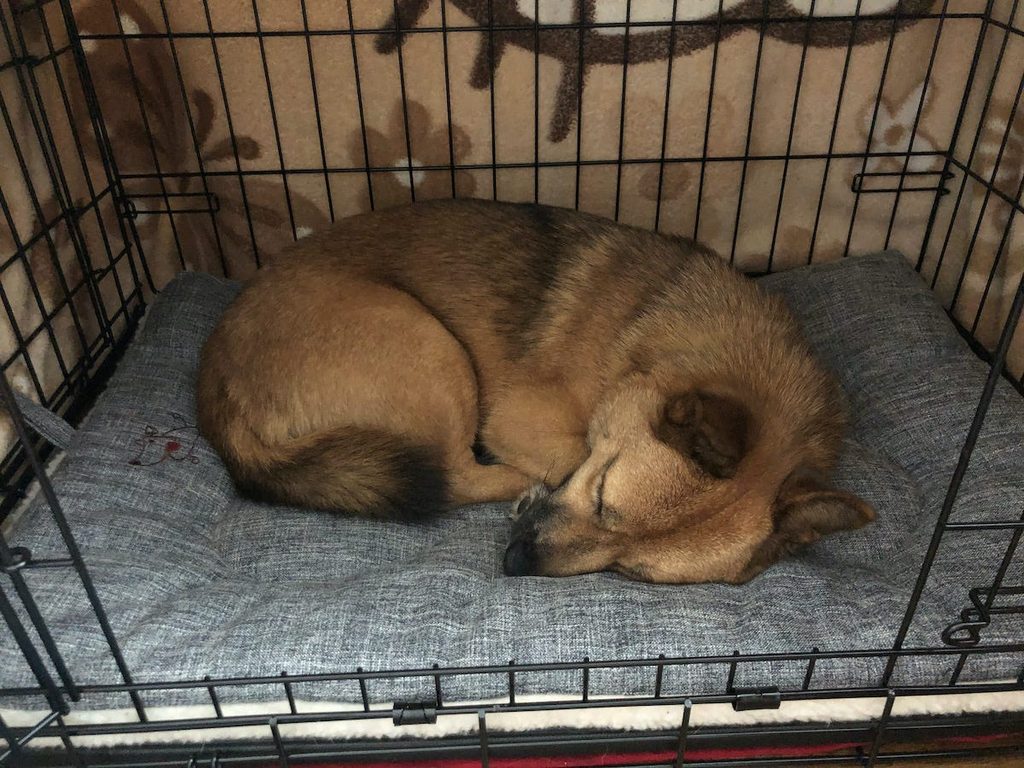
A crate is a tight space. Put a floppy, oversized bed in there and it bunches up, slides around, and hands your dog something to tug on. Even a few inches of twisting leaves bare floor showing, which defeats the point. Crate pads are flatter and cut to fit for exactly this reason.
Measure first. The usual advice is a crate 3 to 5 inches longer and taller than your dog, with the bed covering the floor wall to wall. Sizes vary by brand, too. Snoozer’s small crate bed is about 15 x 23 inches, and its extra large goes up to 26 x 47, so a tape measure will save you a return.
Check the bottom as well. Anti-slip backing sounds boring, but a pad that stays put keeps a nervous puppy calmer at night.
Plush, Foam or Waterproof? Depends on Who’s Sleeping
Most dog beds for dog crates are polyester-filled: light, cheap and easy to live with. Rover’s roundup put MidWest’s crate mat first because it’s soft, machine washable and fits standard crates. For a healthy adult dog that sleeps quietly, that’s usually plenty.
Older dogs are a different story. Vets quoted in the NBC guide suggest foam around 4 to 5 inches thick for seniors who need more cushioning. Just check your crate’s height before you buy. Nobody wants a dog whose head is pressed against the roof.
Then there’s the mess factor. Accidents happen, especially with puppies, so a waterproof liner and a removable cover are worth paying extra for. Bedsure’s orthopedic pad has both, with double-layer memory foam underneath. Wash the cover weekly and the crate stays fresher.
Zippers matter more than you’d think. A hidden or covered zipper gives a chewer less to grab, and one pad in that guide hides its zipper for exactly that reason.
Got a Chewer? Forget Soft and Fluffy
No bed survives every dog. That’s just reality. K9 Ballistics’ tough ripstop pad copes with digging and mild chewing, but the company itself says it isn’t meant for a truly determined chewer, and its chew warranty runs 120 days.
For serious chewers, the safer pick among dog beds for dog crates is an elevated, unpadded cot. No stuffing means nothing to pull out and swallow. Kuranda’s aluminium and PVC frame beds are built for this, priced from about $87 up to $208 depending on the model. You give up some headroom, and that’s the trade.
Skip anything with tassels or long threads. And pay attention to when the chewing happens. If it’s mostly while you’re asleep or out of the house, that can point to anxiety, and a pricier bed won’t fix it. A chat with your vet or a trainer will.
Puppy, Senior, Big Dog: Who Gets What?
Puppies first. Buy something cheap, flat and washable, because crate training comes with accidents. Once your dog is house trained and relaxed in there, then upgrade. A familiar-smelling blanket can help a new puppy settle, but only use it while you’re around to watch, since loose fabric is easy to chew and swallow.
Big dogs need thicker support. One guide recommended Big Barker’s 4-inch crate pad for large breeds, and K9 Ballistics’ bigger sizes for heavy chewers. Small dogs are the opposite: a 22-inch crate needs a compact pad, not a scaled-down big one. Seniors, see the foam advice above.
One rule covers every dog. The bed should fit snug, stay put and sit against the crate walls so it can’t flip. Get that right and the best dog beds for dog crates are simply the ones that don’t move.
Quick Answers to What Dog Owners Keep Asking
Do I need a bed in the crate at all? Usually, yes. A crate floor is hard, and Kuranda points out that a bed lifts your dog up off it. Just keep dog beds for dog crates soft but not so thick that they crowd the space.
How do I know what size to buy? Measure your dog, then the inside of the crate, and pick a bed that covers the floor. Stuck between two sizes? Go with the one that matches the crate.
Is “chew proof” really chew proof? Not really. It means tougher. The realistic goal is a bed that resists far better than plush while you work out why your dog is chewing in the first place.
Should a puppy get a bed straight away? Yes, just a cheap, washable one. Save the pricier dog beds for dog crates for later. If your puppy is swallowing bits of the bed, supervise closely, take it away when you can’t watch, and call your vet.
So, Which One Should You Buy?
Three things decide it: fit, chewing habits and how easy the bed is to clean. Expensive doesn’t mean better. When you’re choosing dog beds for dog crates, start with a tape measure, watch how your dog actually behaves, and buy after that. Do it in that order and you’ll probably only buy once.