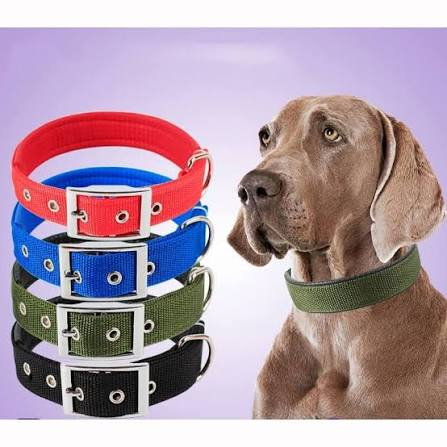
The first properly cold morning always catches somebody out. You grab the lead, the dog is already at the door, and you realise the harness and the winter coat have never really met. That daily wrestling match is why the dog coat with harness has become such a busy search this season. As of October 10, 2026, vet guidance is fairly consistent on two points: not every dog needs a coat, and not every coat plays nicely with a harness. Here’s how to work out which camp your dog is in, which style suits your walks, and what to check before you pay.
Cold Enough for a Coat? Even Vets Don’t Agree on the Number
Cornell-affiliated veterinary advice from January 2026 refuses to name one magic temperature. It does offer a rough starting point: think about a coat once it drops below freezing. The dogs it flags as most likely to benefit are older ones, underweight ones, dogs with arthritis or other medical issues, and anyone with a short, thin or clipped coat.
Other sources put the bar higher. A pet-insurance vet guide says above 45°F most dogs are fine, and that a walk of ten minutes or less rarely needs any extra layer. An AKC-sourced explainer says the mid-40s is when you should start dressing a pet. So you’ll see everything from 32°F to the mid-40s quoted as “the” threshold. Your dog’s body matters more than the thermometer.
Build and coat type do most of the work here. Big double-coated dogs generally cope without help. Small dogs, Chihuahuas, lean whippet types and single-coated or short-haired dogs usually don’t. Watch what your own dog does, too. A UK pet-insurance guide points to signs of cold rather than the number on the weather app, and suggests shorter, more frequent walks when it gets properly bitter.
Built-In or Harness Hole: Pick Your Compromise
Every dog coat with harness design exists to fix one irritation. A patent filing on the idea describes it plainly: most coats have no opening for the leash hardware, a harness can’t sit underneath, and wearing it over the top is clumsy.
Built-in: quick, tidy, not for pullers
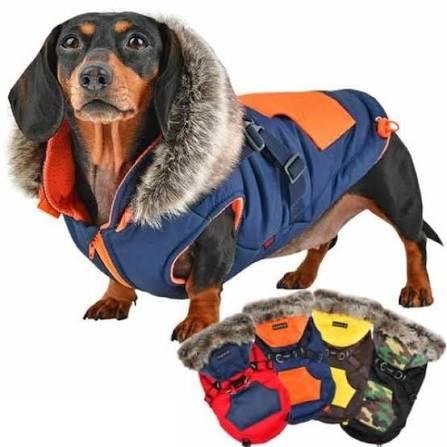
With a built-in setup you skip the layering altogether. Listings for coats like the TIAKI Arkon describe a removable, adjustable chest harness with D-rings, so the lead clips straight on. Many are step-in styles: front legs through the holes, zip up the back, done. If your dog hates having things pulled over its head, that matters.
The catch is control. A 2026 roundup that likes one built-in model still says it isn’t meant for strong pullers. One manufacturer’s own FAQ admits its built-in harness is about convenience, not about correcting pulling. If your dog drags you down the street, a dedicated harness is the better call.
Harness hole: keep the gear you already trust
Got a harness your dog is comfortable in? Look for a coat with an access slot instead. Reviewers rate the reversible Kurgo Loft for its rear slits, which let you reach the harness or collar underneath. The downside is that fur around the opening can get wet, so these suit dry cold better than a long soaking. And if you already own a big coat with no hole, the options are putting the harness over it or altering the back panel yourself.
Measure Twice: Where Fit Goes Wrong
Sizing is the most common gripe with any dog coat with harness, and the label is rarely a reliable guide. One buyer found the size didn’t match their 15-pound Jack Russell at all. A UK seller of harness coats notes that its range starts tiny, at 9 inches, and climbs in small steps, so you’re better off trusting the measurements than the letter on the tag. Get a tape measure. Note back length, chest and neck, then compare them to the chart. Most brands size by weight or chest circumference, so know both numbers.
The harness part has its own rule of thumb. Consumer Reports’ testing says you should be able to slide a finger between the harness and your dog’s fur. Too tight, or tight in the wrong spots, and it can injure a dog that pulls. Too loose, and a wriggler can back out of it. The tester’s tip is to leave a regular collar with ID tags on anyway, just in case.
Waterproof or Water-Resistant? Read the Fine Print
Match the fabric to your weather. A typical winter dog coat with harness pairs a waterproof outer with fleece lining and a high collar to block wind. Some sellers go for a polyester shell that simply resists water and snow. That’s fine for flurries, but in real rain the difference shows. One review of a budget model noticed the fabric soaking through in sustained wet weather, which makes it a better fit for dry cold.
Cut matters as well. A UK insurer’s guide says jacket-style coats, covering the belly, thighs, chest and shoulders, suit small or short-legged dogs. Blanket-style coats over the shoulders and back work for taller dogs. Reflective trim is worth paying a little extra for on dark afternoons. Check the washing instructions too: some coats go in the machine, while a Canada Pooch raincoat asks for spot cleaning and air drying only.
One more thing people forget is overheating. That same Canada Pooch listing tells owners to watch for it and take the coat off if the dog seems uncomfortable. A coat is for the walk, not for lounging by the radiator.
Three Things People Keep Asking
Can I use my regular harness with a dog coat?
Yes, as long as the coat has a harness hole or fits over the harness. Without an opening, reaching the leash clip is a hassle. A hole or a built-in harness avoids that.
Is a dog coat with harness okay for a dog that pulls?
Be careful with built-in versions. Makers and reviewers describe them as convenience gear, not pull-control gear. A strong puller is better off in a separate harness, with or without a coat hole.
At what temperature does a dog coat with harness become necessary?
There’s no single answer. Advice runs from below freezing to the mid-40s Fahrenheit, depending on who you ask. Age, size, coat thickness and time outside decide it for your dog.
So, Which One?
The best dog coat with harness is the one that suits your dog’s body and your daily walk, not the one with the longest feature list. Work out whether your dog really feels the cold, choose between built-in and harness hole, and measure properly before you order. Still unsure? Ask your vet. It takes a minute.