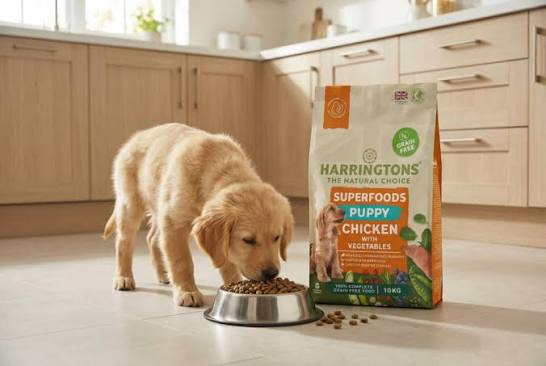
Grain free puppy food went from “premium choice” to “dangerous choice” in about two years, and the truth sits somewhere awkward in the middle. In September 2026, a Dog Aging Project paper reported that grain-free diets did not predict new owner-reported cardiac diagnoses over two years. A few months before that, Tufts University had already shifted the spotlight to peas, lentils and other pulses. If you’re about to bring a puppy home, those two things should change how you read a bag of food. The word “grain-free” on the front tells you very little.
So What Happened With the Heart Scare?
It began in 2018. The FDA said it was investigating dilated cardiomyopathy, or DCM, a heart disease turning up in dogs that don’t normally get it. The diets in the frame were grain-free ones and anything built around pulses like peas, lentils and chickpeas. Lots of owners switched food right away. Then the public updates just stopped, with the last one in December 2022, and people were left to argue about it online.
Tufts never dropped the subject. Its June 2026 update pulls together over 30 studies, and they keep circling the same thing: diets high in pulses, with or without grain. A missing grain doesn’t seem to be the problem. A plain taurine deficiency doesn’t seem to explain it either. Nobody has the exact cause yet, though the team is now looking at phospholipidosis, which is a fault in how the body handles a certain kind of fat.
What should you watch for? Coughing, laboured breathing, weakness, fainting. Some dogs show nothing, which is what makes it nasty. On the brighter side, Tufts says the condition can slowly get better when the diet changes, particularly if it’s caught early.
There’s calmer research too. An 18-month trial on 60 dogs saw no significant heart changes on either grain-free or grain-inclusive foods, even recipes with peas and potatoes. But every dog in it was a healthy adult. Nobody has run the same test on puppies, so I’d treat it as a good sign and not a green light.
Is Grain Even the Thing Your Puppy Is Allergic To?
Usually, no. A lot of people go grain-free after a puppy starts scratching, and I get the instinct. But in a review of 297 dogs with confirmed food reactions, beef was behind 34 percent, dairy 17, chicken 15 and wheat only 13. A grain-free kibble made with chicken and beef can set off exactly the same itch. Fleas, pollen and dust cause itching as well, so the food bowl isn’t automatically guilty.
The proper test is an elimination trial. That’s 8 to 12 weeks on a hypoallergenic diet, normally with your vet steering. If wheat turns out to be the culprit, fine, stay grain-free and be happy. Some families also keep it for a much simpler reason. The breeder was already feeding it, and a puppy that just left its litter has enough new things going on.
With no diagnosis, I wouldn’t pay extra for the label. A properly formulated grain free puppy food can meet the same FEDIAF nutrition standards as any other. What matters is the recipe.
Read the Small Print on the Back
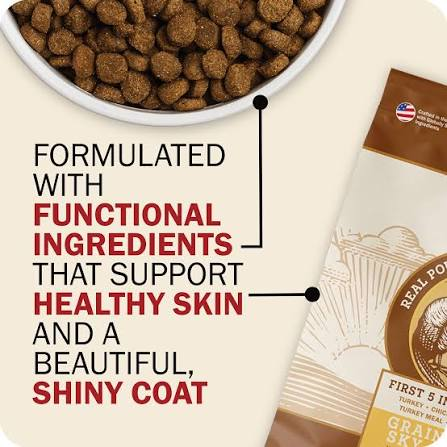
Turn the bag over. Somewhere in tiny type is the nutritional adequacy statement, and you want it to say “complete and balanced” for growth or all life stages. Foods that have passed AAFCO feeding trials for growth are generally a safer bet than ones that only match the formula on paper.
Big breed coming? Pay attention here. Since 2016, AAFCO has made brands say whether a food suits large-breed puppies, because too much calcium can cause bone and joint abnormalities. Their cutoff for “large” is 70 pounds as an adult, although plenty of vets would play it safe from 50. If the statement says the food excludes large dogs, take it at its word.
One vet nutrition paper makes a point I rarely see in owner guides. The calcium in plenty of high-protein or grain-free diets may be wrong for large and giant breeds, and it recommends a large breed growth diet until adult size, which usually means 12 to 24 months. A Great Dane pup and a Pomeranian pup shouldn’t be eating from the same bag, grain or not.
After that, go down the ingredient list from the top. Tufts keeps pointing at pulses, so see whether peas, lentils or chickpeas are sitting near the front. One pea is nothing. A whole recipe built on them is worth a second thought.
Switching Foods Without Upsetting Their Tummy
The rule is slow. The usual method moves from 25 percent new food to 50, then 75, with a few days at each step.
- Days 1 to 3: a quarter new, three quarters old.
- Days 4 to 6: half and half.
- Days 7 to 9: three quarters new.
- Day 10: all new, and keep an eye on stools and appetite.
If stools go loose, go back one step for a couple of days and try again.
Quick Answers
Is grain free puppy food bad for puppies?
Not on current evidence. The worry is about pulse-heavy recipes, whether they have grain or not. There’s very little puppy-specific data, so choose a balanced recipe and bring it up at your next vet visit.
When does grain free make sense?
When a vet has confirmed a grain allergy. Or when the breeder already feeds it and you’d rather not change things in week one. Otherwise grain-inclusive is just as good.
Should I add taurine?
Tufts says diet-associated DCM doesn’t appear to come from taurine deficiency, so a supplement isn’t a proven fix. Ask your vet before buying any heart supplement.
How long does a puppy need puppy food?
Large and giant breeds need a growth diet until adult size, roughly 12 to 24 months. Smaller dogs finish sooner, and your vet can give you a date for yours.
The Short Version
Grain free puppy food is fine if the recipe behind it is good. It isn’t better because the bag says so. Check the growth statement, think about how big your puppy will get, notice how many peas and lentils are near the top of the list, and talk to your vet. Unsure? Take the ingredient list and growth statement to your next appointment. Five minutes there can save weeks of tummy trouble. Change foods slowly and keep an eye on the poop.