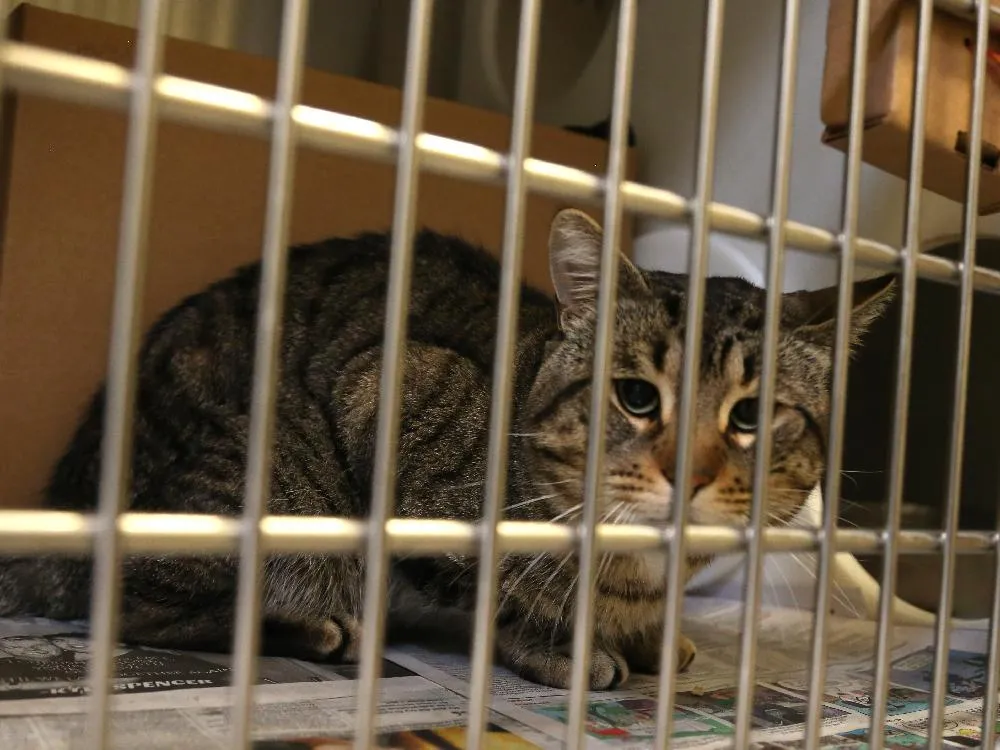
Something’s been off at the Ottawa Humane Society since August. Stray dog intake shot up 40% in one month. Add to that a handful of large, unplanned group arrivals landing almost on top of each other, and you get a shelter running flat-out for weeks. Nobody there had a plan for numbers like this. And the timing is almost inconvenient — because at the exact same moment, the Ottawa Humane Society is trying to raise $15 million to build Ottawa’s first low-cost community vet clinic.
A Summer That Caught Everyone Off Guard
Late summer is always a bit chaotic for shelters. Stray season, people going on vacation and quietly not coming back for the cat, an unplanned litter or two. Normal stuff. This wasn’t that. A 40% jump in strays, on top of several group intakes hitting within days of each other, throws off everything — kennels fill faster than they can be emptied out, vet checks stack up, and staff who’d normally be doing adoption counseling end up doing triage instead.
It’s not really just an Ottawa thing either, if that’s any comfort. Dog surrenders are up about 35% across the country compared to last year. Humane Canada, which represents shelters and SPCAs nationwide, has been saying for a while now that the whole system is stretched in a way that doesn’t really ease off between seasons anymore. So the Ottawa Humane Society’s August is one data point in a much bigger, messier national trend.
Why This Shelter Basically Never Says “Full”
One thing sets the Ottawa Humane Society apart from a lot of its counterparts: it’s been “open admission” since 1933, back when it first picked up the city’s contract for stray animal services. Practically, that means there’s no hard wall where intake just stops. When numbers spike — like they did in August — the strain gets absorbed inside the building instead of turning into an intake freeze, which is what happened at a few other Canadian shelters this year.
There’s also a rumor staff at the Ottawa Humane Society keep having to shoot down, almost every summer without fail that the shelter is “at capacity” and won’t take animals in. It isn’t true. Leadership has said so more than once. But the story keeps circulating anyway, and sometimes it stops people from bringing in a stray, or from surrendering a pet that actually needs help. Correcting that myth has practically turned into a seasonal job of its own.
The $15 Million Bet on Cheaper Vet Care
August is the short-term fire. The slower-burning problem is money — specifically, how far out of reach basic vet care has gotten for a lot of families in the city. That’s really the reasoning behind the Ottawa Humane Society’s $15-million campaign announced earlier this year, (7) aimed at building a dedicated low-cost clinic for pet owners who’d otherwise put off treatment, skip it, or in the worst cases, give up the pet altogether.
The plan is to turn a former post office building in Vanier into that clinic, with a late-2027 opening. It’s a lot for a nonprofit to take on while it’s already dealing with daily intake chaos, but the logic is preventive: an owner who can afford vaccines or dental work or basic treatment is less likely to end up at the surrender desk six months later. It won’t move August’s numbers at all — but it’s aimed at the thing that quietly leads to that phone call in the first place.
When Wildfires Somewhere Else Become Ottawa’s Problem
The pressure hasn’t come only from within the city, either. In August, the Ottawa Humane Society took in animals from wildfire-affected communities in northwestern Ontario — strays and pets already surrendered there, which local shelters couldn’t hold while focusing on keeping owned animals with families during evacuations. President and CEO Sharon Miko described it as a kind of division of labor: those shelters looked after animals that still had someone to return to, and Ottawa took the ones that didn’t.
Which is a good reminder that a city shelter’s workload almost never stays local. Wildfire season, national surrender trends, the usual grind of strays and drop-offs — all of it can land on the same intake desk within the same couple of weeks.

What People in the City Are Doing About It
Through all this, the Ottawa Humane Society has leaned hard on community support. Its Emergency Pet Food Bank has handed out over 6,000 pounds of food since spring and is still asking for donations to keep pace. More than 1,000 volunteers cover everything from enrichment to sitting with animals waking up from surgery, work that matters even more during a spike like this one. Events like the Wiggle Waggle Walk & Run also feed straight back into day-to-day costs, covering care for animals who show up with no history and nobody looking for them.
Quick Questions People Keep Asking
Is the shelter actually full right now? No. The Ottawa Humane Society is open admission, no hard capacity cap, and staff have repeatedly said the “we’re full” story floating around isn’t true — even with August’s numbers.
What do I do if I find a baby animal that looks abandoned? Probably nothing. A parent’s often nearby, and pulling a healthy young animal out of its spot can hurt more than it helps. Step in only if it looks sick, hurt, or genuinely orphaned.
When’s the new vet clinic opening? Late 2027, in the converted post office building in Vanier, funded through the $15-million campaign.
What actually helps right now? Food donations, fostering, adopting, volunteering, or giving to the clinic fund — all of it takes pressure off during a stretch like this.
Bottom Line
Between a record-breaking August for strays, an unexpected wave of wildfire animals, and a years-long push to open a cheaper vet clinic, this shelter’s fighting two fires at once — one immediate, one slow. The open-admission setup means the strain shows up in exhausted staff rather than a locked door. But that only keeps working if the city keeps showing up for it too.