A dog hammock for vehicle back seats is now the default buy for anyone who drives with a dog. 2026 buyer’s guides list a dozen or more models at every price. But the better question this year is what a hammock actually does. The Center for Pet Safety has shown for years that many pet restraints fail under real forces. A hammock never aimed to be a restraint. Here is what a dog hammock for vehicle use really protects, how to pick one that fits, and what to pair it with.
Is a Dog Hammock for Vehicle Seats Safety Gear or Just Seat Armor?
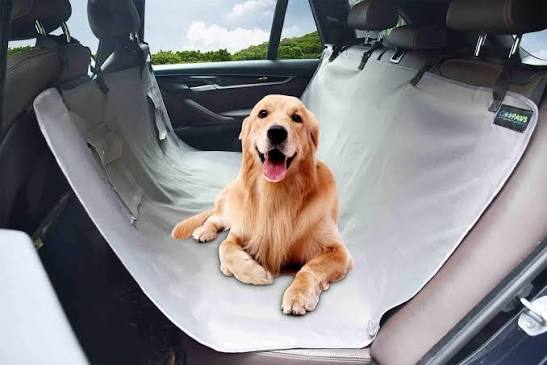
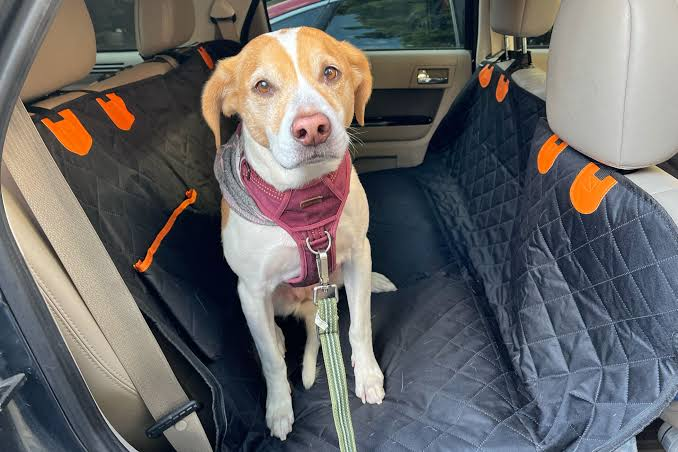
A car hammock hangs between the front and rear headrests. It turns the back seat into a sling-shaped enclosure. Your dog never touches the upholstery. It can’t slide into the footwell, and it has a harder time climbing into the front. That seat protection makes hammocks popular. EzyDog says dirt and debris collect in its Drive Hammock cover, and a shake plus a warm soapy wash gets it clean.
Safety needs a reality check. Lemonade’s dog car safety guide calls a dog hammock for vehicle back seats a convenience product more than a protection product. Crash forces explain why. A AAA spokesperson has said an unrestrained 80-pound dog in a 30 mph crash exerts roughly 2,400 pounds of force. A hammock keeps your dog off the seats. It can’t hold your dog back in a collision.
Pet safety products face little regulation. Lindsey Wolko founded the Center for Pet Safety after a crash injured her own dog. Her group tested harnesses with weighted crash-test dogs in simulated 30 mph collisions. Subaru helped fund the pilot study. It found that most restraints on the market did not give acceptable protection.
Full, Half or Hard-Bottom: Which Dog Hammock for Vehicle Style Fits?
Full-bench hammocks cover the whole rear seat. They suit one large dog or a pair. Kurgo markets its Coast to Coast model as full coverage for the back seat. Half-seat designs take one side and leave room for a passenger. One half-hammock listing describes straps for all four headrests, five extra connection points and gusseted flaps for seat belt access.
Hard-bottom versions add a firmer floor, which helps heavier dogs. A Chewy reviewer with a large vehicle chose the Katziela cover for its length and firm base. The reviewer said the dog felt steadier. Vetstreet picks the URPOWER cover as best overall, the 4Knines for extra-large dogs, the iBuddy for waterproofing and the SEVVIS for door protectors. It recommends the Active Pets cover for big vehicles. Those are one outlet’s picks. Compare them with your own seat dimensions before you settle on any dog hammock for vehicle shopping list.
Seven Checks Before You Buy a Dog Hammock for Vehicle Use
Start with measurements. Seat width and the headrest-to-headrest gap decide fit more than brand does. 4Knines tells shoppers to measure before they order. One 2026 guide lists the priorities most reviewers share: waterproof fabric, non-slip backing, strong headrest straps, seat belt openings and the right size for your vehicle.
Seat belt openings matter on any dog hammock for vehicle seats. They let you clip a harness to the vehicle’s belt without removing the hammock. That forms the base of a safer setup. A mesh viewing window helps a nervous dog and lets you glance back without turning around. Look for easy installation and removal too, since you will want to take it out when friends ride along.
Be realistic about durability. 4Knines says its cover is not chew-proof, and it warns owners never to leave a dog unsupervised in a vehicle. If your dog digs or chews, choose tougher fabric or a crate.
How to Make a Hammock Setup Genuinely Safer
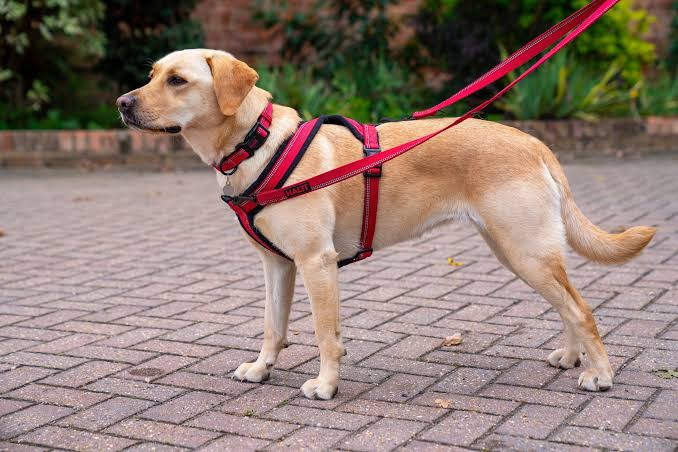
Treat the dog hammock for vehicle as the floor and a tested restraint as the safety system. Fit a harness properly and clip it to the seat belt through the hammock’s openings. That gives you both. Lemonade’s guide notes that no certified dog seat belts exist, so the harness does the key work. Clip the belt to the harness, never the collar.
Verify crash-test claims instead of trusting a label. The Center for Pet Safety says it could not substantiate many manufacturers’ testing claims. Wolko advises asking what weight of test dog a company used. Many manufacturers tested only with 30 to 35 pound simulants. One independent review lists the Kurgo Enhanced Tru-Fit as CPS-tested, and Sleepypod’s Clickit harness ranked first in the group’s earlier study. For dogs that need stronger containment, a secured crate is the other widely recommended option.
Restraint matters for the driver too. An AAA and Kurgo survey found that only about 16 percent of dog owners used any restraint. Roughly a third admitted their dog distracted them while driving. No federal law requires pet restraint. Hawaii alone bans dogs on a driver’s lap. New Jersey treats an unrestrained pet as an animal cruelty violation, and distracted driving laws in states like Maine and Connecticut can apply.
Quick Answers Drivers Keep Searching
Does a dog hammock for vehicle use fit SUVs, trucks and sedans? Most brands call their hammocks universal, but fit varies, especially in crew cabs and large SUVs. Check the listed dimensions against your seat before you order. Look for models built for larger vehicles.
Can a hammock replace a seat belt harness? No. A hammock contains the mess and the wandering. A tested harness or crate manages crash forces. The two do different jobs and work best together.
Are hammocks easy to clean? Generally yes. Bustle highlights a machine-washable Kurgo model that shakes clean. EzyDog says its cover cleans with a shake and a warm soapy wash.
Is it legal to drive with a loose dog in the back? Most states do not require restraint. Distracted driving or reckless driving rules can still apply if your dog contributes to a crash. Check your own state’s rules.
The Bottom Line
A dog hammock for vehicle owners earns its place. It protects seats, keeps your dog out of the front and makes cleanup simple. It does not replace crash protection. Measure your back seat and choose a style that fits how you travel. Then add a harness or crate with real independent testing behind it. That combination keeps your upholstery clean and gives your dog a better chance if the worst happens.