Cat owners are quietly walking away from clay, and wood pellet cat litter is a big reason why. Review sites have kept refreshing their pellet and pine roundups through 2026, and shoppers keep asking the same thing: does it really work, or is it just a greener way to make a mess? The honest answer sits somewhere in the middle. Wood pellet cat litter soaks up urine well, throws off very little dust and barely follows your cat out of the box. It also behaves nothing like clay, and some cats flat out refuse it. Before you buy a twenty pound bag, here is what really happens inside the box, what it costs you in effort, and how to switch without a standoff.
How Does Wood Pellet Cat Litter Really Work?
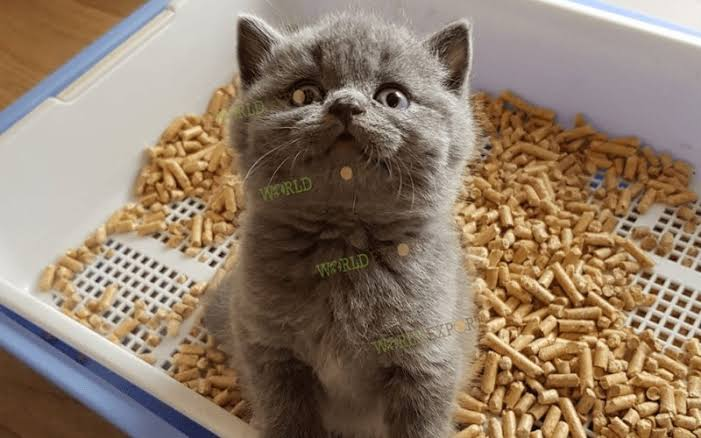
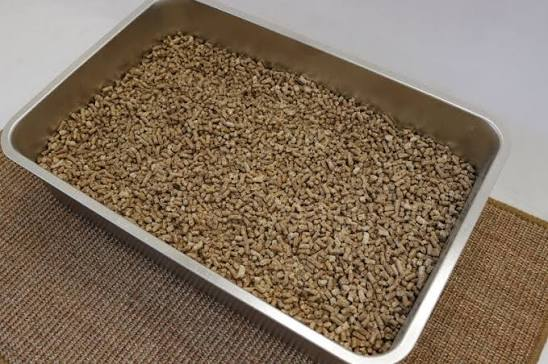
Forget the clumping you know from clay. These pellets are compressed sawdust, usually pine, and when urine hits them they swell and crumble back into fine sawdust. That is the whole trick. The wood fibers hold a lot of liquid, and one brand says a single kilogram can take on more than three litres. Several buyer guides say wood holds around three times what clay does, so the wet spot turns into soft powder while the pellets around it stay dry and whole.
Most standard wood pellet cat litter does not clump, and that is the biggest adjustment for people coming from clay. You scoop the solids, then sift the sawdust out or dump it. A regular scoop will not cut it because the pellets are big, so you need a scoop with wider holes or a sifting box with a tray underneath. If you go the sifting route, plan to empty the sawdust tray every four to seven days depending on how many cats share the box, then top up with fresh pellets. Clumping wood versions exist too, like ökocat mini pellets, and they feel closer to clay, though they usually cost more.
Dust, Tracking and a Lighter Footprint: The Good Stuff
Dust is the headline benefit. Florida veterinarian Maranda Elswick points out that these pellets are usually unscented and big enough that they do not break down into dust a cat can inhale. That matters for cats with sensitive airways, and for owners who are sick of the cloud clay kicks up every time it is poured. Pellets can also be a kinder choice for a cat recovering from an injury, since they are less likely to irritate an open wound.
Tracking is the second win. Chunky pellets do not cling to paws like fine clay does, so there is less scattered around the box, and long haired cats do not end up with litter matted into their fur. Then there is the environment. Wood is renewable, plenty of brands use recycled sawdust, and the pellets break down naturally, unlike strip mined clay. That is a big part of why wood pellet cat litter keeps landing on eco friendly shopping lists.
The Catches Nobody Mentions Until Week Two
Odor control is where wood pellet cat litter gets mixed reviews. The pine scent helps and the absorbency locks in a good deal of ammonia, but several reviewers say clay still wins on smell, which means more frequent scooping. A decent routine is to scoop daily and do a full change about every two weeks.
Cost and mess come next. Pellets usually run more than basic clay, with a twenty pound bag of a popular pine brand sitting around twenty dollars in the US. Some owners buy pure pellets sold as horse bedding to save money, but check the label first and make sure nothing has been added. And while the pellets stay put, the sawdust they become can travel, so one buyer gave up on a bag because her cat carried it from room to room. Most automatic litter boxes are not built for pellets either.
The biggest catch is the cat itself. Texture matters, and some cats reject hard pellets, especially older ones who have used clay forever. Review pages are full of owners who went back to clay within days, but there are just as many stories like the owner of a thirteen year old cat who switched with no trouble at all. If your cat hates wood pellet cat litter, that does not mean you did anything wrong, it just means this one is not for them.
How to Switch Without a Litter Box Standoff
Go slow. Mix the pellets into the current litter and raise the share of pellets over several days, since most cats adapt within one to three weeks. Keep the box in the same spot and change only one thing at a time. One owner described her cat first peeing in a mixed box, then using it for everything, and only then did she cut the clay out completely.
A small trial bag is a cheap experiment before you commit to a big one, and unscented pine is the safer starting point for fussy noses. Pine naturally contains oils called phenols, and owners often ask whether that is a problem.
Quick Answers Before You Buy
Is wood pellet cat litter safe for cats?
The main worry is a cat eating large amounts, since pellets expand when wet, so keep an eye on kittens that like to chew. Be more careful with scented products or sawdust held together with binders.
Can I compost or flush it?
You can compost it on a separate pile, kept away from vegetables and other edible plants.
Does wood pellet cat litter clump?
Most of it does not. The pellets turn to sawdust instead, and you sift or dump it. Clumping wood litters do exist if you want something closer to clay.
How often should I change it?
With wood pellet cat litter, scoop once a day, empty the sawdust tray every four to seven days and do a full refresh about every two weeks. Multi cat homes should lean toward the shorter end.
Is It Worth It? The Bottom Line
If you want less dust, less tracking and a lighter footprint, wood pellet cat litter earns its place, as long as you accept the sifting routine and a slightly higher bill. If your cat is happy with clay and you are not bothered by dust, there is no rush. Try a small bag, switch slowly and give your cat a couple of weeks. Done right, wood pellet cat litter is one of the easiest eco upgrades a cat household can make.